
Anúncios
Meditation doesn’t have to be complicated. With the right approach and a bit of patience, anyone can learn to meditate easily and experience its transformative benefits.


In our fast-paced world, finding moments of peace feels like searching for a needle in a haystack. Stress, anxiety, and constant digital notifications pull us in every direction. Yet meditation offers a sanctuary—a simple practice that helps restore balance and clarity to our lives.
Anúncios
The beauty of meditation lies in its simplicity. You don’t need special equipment, expensive courses, or years of training. What you need is willingness, a few minutes each day, and the understanding that meditation is a skill that improves with practice. Let’s explore how you can start this journey today.
🧘 Why Meditation Matters More Than Ever
Modern life bombards us with information overload. Our brains process more data in a single day than our ancestors encountered in a lifetime. This constant stimulation creates mental fatigue, emotional exhaustion, and physical tension.
Anúncios
Research shows that regular meditation practice reduces cortisol levels, improves focus, enhances emotional regulation, and even strengthens the immune system. Studies from Harvard Medical School have demonstrated that meditation literally changes brain structure, increasing grey matter in areas associated with learning, memory, and emotional control.
Beyond the scientific benefits, meditation cultivates something precious: the ability to be present. In a world that constantly pulls us into the past or future, meditation anchors us to the now—the only moment where life actually happens.
🌟 Understanding What Meditation Really Is
Many people misunderstand meditation. It’s not about emptying your mind or achieving some mystical state of consciousness. Meditation is simply the practice of directing your attention intentionally and noticing when it wanders.
Think of your mind as a puppy. When you’re training a puppy to sit, it doesn’t stay still immediately. It wanders, gets distracted, and explores. You gently guide it back. Meditation works the same way. Your thoughts will wander—that’s completely normal. The practice is in the gentle returning of attention.
There’s no “perfect” meditation. Some sessions feel calm and focused; others feel restless and scattered. Both are valuable. The consistency matters more than the quality of individual sessions.
🏁 Getting Started: Your First Meditation Session
Starting meditation doesn’t require elaborate preparation. Choose a time when you won’t be interrupted—early morning works well for many people, but any consistent time will do.
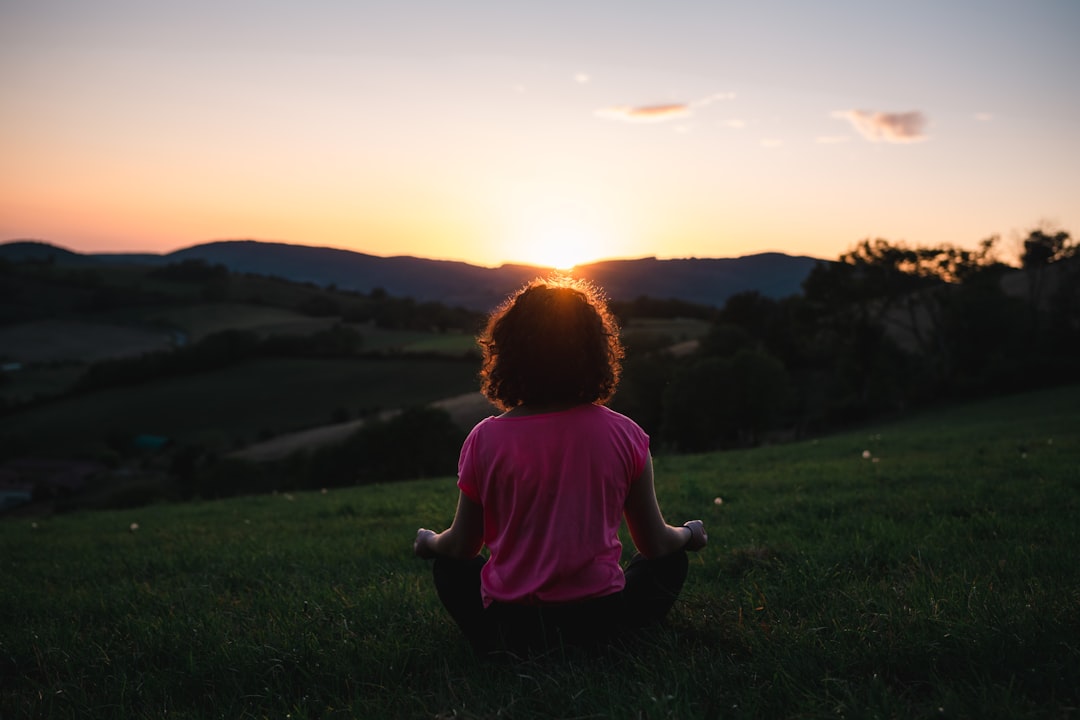
Find a comfortable sitting position. You can sit on a chair with feet flat on the ground, cross-legged on a cushion, or even lying down if sitting is uncomfortable. The key is maintaining alertness while being relaxed.
Set a timer for just five minutes. This removes the urge to check the clock and helps you commit to staying with the practice. Five minutes might seem short, but it’s perfect for building the habit without overwhelming yourself.
Simple Steps for Beginners
- Close your eyes gently or maintain a soft gaze downward
- Notice your breath without trying to change it—just observe the natural rhythm
- Feel the sensations of breathing: coolness at your nostrils, chest rising, belly expanding
- When thoughts arise (and they will), acknowledge them without judgment and return to the breath
- Be patient with yourself—distraction is part of the process, not a failure
That’s it. You’re meditating. The simplicity often surprises people who expected something more complex or mystical.

🎯 Different Meditation Techniques to Explore
While breath awareness forms the foundation, several meditation styles offer different entry points. Exploring various techniques helps you discover what resonates with your personality and needs.
Breath Awareness Meditation
This fundamental practice involves focusing attention on the natural breath. Notice the sensation of air entering and leaving your body. When your mind wanders to your grocery list or tomorrow’s meeting, gently guide it back to the breath. This technique builds concentration and present-moment awareness.
Body Scan Meditation
Starting at the top of your head or tips of your toes, systematically bring awareness to each part of your body. Notice sensations without judging them as good or bad. This practice releases physical tension and connects mind with body, making it excellent for stress relief and better sleep.
Loving-Kindness Meditation
This heart-centered practice involves silently repeating phrases of goodwill toward yourself and others. Begin with yourself: “May I be happy, may I be healthy, may I be safe, may I live with ease.” Expand these wishes to loved ones, neutral people, difficult people, and eventually all beings. Research shows this practice increases compassion and reduces negative emotions.
Guided Visualization
Follow along with recorded instructions that guide you through imaginary scenarios—walking through a peaceful forest, sitting by the ocean, or floating on clouds. This technique particularly helps people who struggle with unstructured meditation, as the narrative provides an anchor for attention.
⏰ Building a Sustainable Practice
Consistency trumps duration. Meditating for five minutes daily proves more beneficial than sporadic hour-long sessions. Your brain builds new neural pathways through repetition, not intensity.
Choose a specific time and place for your practice. This creates a routine that becomes automatic over time. Morning meditation sets a calm tone for the day, while evening practice helps transition from doing mode to being mode.
Start small and increase gradually. Begin with five minutes for the first week. If that feels comfortable, extend to seven minutes the next week. This gradual approach prevents burnout and builds genuine habit rather than forced obligation.
Creating Your Meditation Space
You don’t need a dedicated meditation room, but having a consistent spot helps. It could be a corner of your bedroom, a comfortable chair by a window, or even a cushion in your closet. The familiarity signals to your brain that it’s time to settle.
Keep the space simple and inviting. Perhaps a cushion, a blanket for warmth, and minimal distractions. Some people enjoy a candle or incense, but these aren’t necessary. The goal is creating an environment that supports settling rather than stimulating.
💡 Common Challenges and How to Overcome Them
Every meditator faces obstacles. Knowing they’re normal helps you navigate them with patience rather than frustration.
The Restless Mind
Your mind will wander constantly at first. This doesn’t mean you’re failing—it means you’re human. The practice isn’t preventing thoughts; it’s noticing when you’ve drifted and coming back. Each return strengthens your attention muscle.
Physical Discomfort
Sitting still reveals aches you normally ignore through movement. Adjust your position if genuine pain arises. Meditation shouldn’t be torture. However, distinguish between pain and simple restlessness. Mild discomfort often passes if you stay with it.
Falling Asleep
Drowsiness during meditation usually indicates sleep debt. If you consistently doze off, you might need more nighttime rest. Try meditating earlier in the day or with eyes slightly open. Sitting upright rather than reclining also helps maintain alertness.
Feeling Like Nothing’s Happening
Meditation’s benefits often appear subtle at first. You might not feel dramatically different during practice, but notice how you respond to stress during the day. Are you slightly less reactive? Do you recover from frustration faster? These small shifts accumulate into significant change.
Lack of Time
The “too busy to meditate” paradox is real—the busier you are, the more you need meditation. But even on hectic days, you can find five minutes. Meditate while waiting for coffee to brew, during lunch break, or before bed. Integrate practice into life rather than adding it as another task.
📱 Using Technology to Support Your Practice
Meditation apps provide structure, guidance, and accountability for beginners. They offer guided sessions, progress tracking, and variety that keeps practice fresh.
Quality apps feature different meditation lengths, styles, and teachers. Some include courses that progressively build skills, while others offer single sessions you can access anytime. Many provide reminders that help maintain consistency during the crucial habit-formation phase.
Look for apps with beginner-friendly content, clear instructions, and pleasant voices that don’t irritate you. Most offer free trials, allowing you to test before committing. The right app feels like a supportive teacher rather than another obligation.
🌈 Recognizing Progress in Your Practice
Meditation progress doesn’t follow a linear path. Some days feel effortless; others feel impossible. Both contribute to your development.
Notice changes in daily life rather than during meditation itself. Do you pause before reacting in anger? Do you notice beauty you previously overlooked? Do you feel slightly more spacious around challenges? These subtle shifts indicate deepening practice.
Your relationship with thoughts changes over time. Initially, you’re caught in every thought stream. Gradually, you recognize thoughts as mental events rather than absolute truth. This perspective shift transforms how you experience everything.
🔄 Expanding Beyond Formal Practice
Meditation isn’t confined to cushion time. The awareness you cultivate spreads into everyday activities, transforming ordinary moments into opportunities for presence.
Try bringing meditative attention to routine tasks. Feel the warm water while washing dishes. Notice the texture and taste while eating. Observe sensations while walking. These informal practices strengthen the mindfulness muscle throughout your day.
Mindful pauses throughout the day refresh your awareness. Take three conscious breaths before meetings. Notice your feet on the ground while standing in line. These micro-meditations reset your nervous system and reinforce the habit of present-moment awareness.
🎁 The Lifelong Journey of Meditation
Meditation isn’t a destination but a practice you develop over a lifetime. You’ll never “master” it completely because there’s always deeper layers to explore. This open-endedness keeps the practice fresh and endlessly interesting.
Your practice will evolve with your life circumstances. During stressful periods, it might feel more challenging. During calm phases, it might deepen naturally. Both experiences are valid and valuable. The practice adapts to support what you need.
Many long-term meditators report that the practice becomes increasingly simple over time. What initially seemed complicated becomes natural—like breathing. You carry this simplicity into your life, approaching challenges with less drama and more ease.
🚀 Taking Your First Step Today
Reading about meditation provides understanding, but only practice creates transformation. The perfect time to start doesn’t exist—there’s only now.
Commit to one week of five-minute daily sessions. That’s just 35 minutes total—less time than a single TV episode. After seven days, assess how you feel. Notice any shifts in mood, reactivity, or presence. This experiential evidence motivates continued practice more than any article.
Remember that every expert meditator started exactly where you are now—uncertain, doubtful, wondering if they were doing it right. They simply continued showing up, day after day. You can do the same.
Meditation meets you where you are. It doesn’t require you to be calmer, more spiritual, or more disciplined before starting. You begin from this moment, with this breath, exactly as you are. That’s the beauty and accessibility of this ancient practice—it’s always available, always supportive, always waiting for your return.
The journey of a thousand miles begins with a single breath. Take yours now. Close your eyes, feel the air moving through your body, and discover the peaceful awareness that’s always been within you, waiting to be remembered.
