
Anúncios
Yoga is more than just a physical practice—it’s a journey toward inner peace, flexibility, and wellness that you can begin right from your living room.


In today’s fast-paced world, finding time to visit a yoga studio can feel impossible. Between work commitments, family responsibilities, and daily errands, scheduling a regular class becomes another source of stress rather than relief. The good news? You don’t need a studio membership or fancy equipment to experience the transformative benefits of yoga.
Anúncios
Practicing yoga at home offers flexibility, privacy, and the freedom to move at your own pace. Whether you’re a complete beginner or someone returning to the mat after a break, your home can become your personal sanctuary for growth, healing, and self-discovery. Let’s explore how to create a meaningful yoga practice without ever stepping outside your door.
🏠 Creating Your Home Yoga Space
The first step toward a consistent home practice is designating a special area for your yoga sessions. This doesn’t need to be an entire room—a corner of your bedroom or living room works perfectly. What matters most is that the space feels inviting and peaceful.
Anúncios
Choose an area with enough room to stretch your arms and legs in all directions without hitting furniture. Natural light can enhance your practice, so positioning near a window is ideal. Keep the space clutter-free and consider adding elements that promote tranquility: a small plant, a candle, or inspiring artwork.
Temperature matters too. Ensure your practice space is comfortably warm but well-ventilated. You’ll want to maintain focus on your breath and movements without being distracted by feeling too hot or too cold.
Essential Equipment for Beginners 🧘♀️
One of yoga’s greatest advantages is its minimal equipment requirements. To start your home practice, you really only need a quality yoga mat that provides adequate cushioning and grip. This investment will serve you for years with proper care.
Beyond the mat, consider these helpful additions:
- Yoga blocks for support in challenging poses
- A strap to help extend your reach and improve flexibility
- A bolster or firm pillows for restorative practices
- A blanket for warmth during final relaxation
- Comfortable, breathable clothing that allows free movement
Remember, you don’t need to purchase everything at once. Start with a mat and gradually add props as your practice deepens. Many household items can substitute for specialized equipment initially—a belt works as a strap, books can replace blocks, and regular pillows serve as bolsters.
📱 Digital Resources That Bring the Studio Home
Technology has revolutionized home yoga practice, making expert instruction accessible to everyone. Numerous apps, YouTube channels, and online platforms offer guided classes for all levels, styles, and durations.
Mobile applications designed specifically for yoga provide structured programs that track your progress and offer personalized recommendations. These digital tools often include video demonstrations, detailed instructions, and modifications for different skill levels, essentially placing a personal instructor in your pocket.
When selecting digital resources, look for content created by certified yoga instructors with clear teaching styles. Read reviews and try several options to find what resonates with your learning preferences and goals.

Building a Consistent Practice Schedule ⏰
Consistency transforms yoga from an occasional activity into a life-changing practice. When starting out, aim for shorter sessions more frequently rather than long, infrequent practices. Even 15 minutes daily creates more benefit than an hour once weekly.
Morning practices energize your day and ensure you complete your session before daily responsibilities interfere. However, evening yoga can be equally valuable, helping you unwind and process the day’s stress. Experiment with different times to discover what works best for your body and schedule.
Set realistic expectations. Some days you’ll feel energized and practice for an hour; other days, ten minutes of gentle stretching is perfect. Listen to your body and honor its needs without judgment.
🌟 Understanding Different Yoga Styles
Yoga encompasses numerous styles, each offering unique benefits and experiences. Understanding these differences helps you choose practices aligned with your goals and physical condition.
Hatha yoga provides an excellent foundation for beginners, focusing on basic poses and breathing techniques. The slower pace allows time to learn proper alignment and build strength gradually. Most online beginner programs start with Hatha-based instruction.
Vinyasa or flow yoga links breath with movement in a more dynamic practice. These sequences build heat, improve cardiovascular fitness, and create a moving meditation. Once you’re comfortable with basic poses, Vinyasa offers an engaging challenge.
Restorative and Yin Practices 🕯️
Not all yoga involves vigorous movement. Restorative yoga uses props to support the body in gentle poses held for extended periods, promoting deep relaxation and stress relief. This style is particularly beneficial for recovery days or when you’re feeling depleted.
Yin yoga targets deep connective tissues through long-held, passive stretches. This meditative practice improves flexibility while calming the nervous system. Practicing Yin in the evening can significantly improve sleep quality.
Both styles complement more active practices beautifully, creating balance in your overall routine. Consider incorporating these gentler approaches at least once weekly for optimal physical and mental benefits.
🧠 Mastering the Fundamentals
Before attempting complex poses, invest time in mastering foundational postures. These basic poses appear in nearly every yoga sequence and form the building blocks for more advanced work.
Mountain Pose (Tadasana) teaches proper alignment and body awareness. Though it looks simple, this standing pose develops the postural consciousness that carries into every other position. Practice standing evenly on both feet, engaging your legs, lengthening your spine, and relaxing your shoulders.
Downward-Facing Dog (Adho Mukha Svanasana) appears in countless sequences and provides a full-body stretch while building upper body strength. Focus on proper hand placement, pressing your hips back, and maintaining length in your spine rather than forcing your heels to the floor.
Essential Seated and Supine Poses 🪑
Child’s Pose (Balasana) serves as your resting position whenever you need a break during practice. This gentle forward fold calms the mind, stretches the back, and provides a moment to reconnect with your breath.
Cat-Cow sequences (Marjaryasana-Bitilasana) warm the spine and teach coordinated breathing with movement. These flowing transitions between two poses improve spinal flexibility and body-breath connection.
Seated Forward Fold (Paschimottanasana) stretches the entire back body while promoting introspection. Rather than forcing yourself deeper, focus on lengthening your spine and breathing into the stretch.
💨 The Power of Pranayama
Breath control, or pranayama, forms yoga’s foundation. While physical poses receive more attention, conscious breathing techniques create profound shifts in physical health and mental clarity.
Begin with simple awareness of your natural breath. Observe without changing it—notice its rhythm, depth, and location in your body. This observation alone can reduce stress and increase present-moment awareness.
Three-part breath (Dirga Pranayama) teaches you to fully utilize your lung capacity by consciously breathing into the belly, ribcage, and upper chest. This technique increases oxygen intake, calms the nervous system, and provides an anchor during challenging poses.
Energizing and Calming Breath Techniques ⚡
Alternate nostril breathing (Nadi Shodhana) balances the body’s energy channels and calms an anxious mind. This accessible technique can be practiced seated comfortably anywhere, making it perfect for midday stress relief.
Ujjayi breath, sometimes called “ocean breath” due to its sound, creates internal heat and maintains focus during physical practice. Learning this breathing pattern transforms your yoga from exercise into meditation in motion.
Cooling breath (Shitali) helps regulate body temperature and soothe irritation or anger. These pranayama variations demonstrate how breath work addresses different physical and emotional states.
🎯 Setting Intentions and Goals
Home practice requires self-motivation that studio environments naturally provide. Setting clear intentions transforms your practice from a physical workout into a meaningful ritual.
Begin each session by dedicating a moment to reflect on why you’re practicing today. Your intention might be physical (building strength), emotional (releasing stress), or spiritual (cultivating gratitude). This brief ritual creates purpose and focus.
Long-term goals provide direction but remain flexible. Perhaps you’re working toward a specific pose, improving overall flexibility, or establishing a meditation habit. Write these goals down and review them monthly, adjusting as your practice evolves.
Celebrating Progress Without Competition 🌈
Yoga is inherently non-competitive, though our achievement-oriented culture makes this challenging to remember. Your body’s capabilities today differ from yesterday and tomorrow—and they’re vastly different from anyone else’s.
Progress appears in subtle ways: noticing your breath remains calm in a challenging pose, feeling more grounded during stressful situations, or sleeping more soundly. These victories matter more than achieving Instagram-worthy poses.
Keep a practice journal noting how you feel before and after sessions. Over time, patterns emerge revealing yoga’s impact beyond the mat, validating your commitment and inspiring continued practice.
🛡️ Practicing Safely Without an Instructor
Practicing independently requires heightened body awareness and respect for your limitations. While yoga offers tremendous benefits, improper practice can cause injury.
Always warm up before attempting deeper stretches or challenging poses. Gentle joint rotations, cat-cow sequences, and simple standing poses prepare your body for more intensive work and reduce injury risk significantly.
Learn the difference between productive discomfort and pain. Stretching sensations, muscle engagement, and mild intensity are normal; sharp pain, joint discomfort, or numbness signal you should back off immediately.
Modifications and Variations 🔄
Every body is different, and poses must adapt to individual anatomies. Use props liberally—they’re not shortcuts but tools that help you practice safely and effectively.
If a pose causes discomfort, explore modifications rather than pushing through. Can’t touch the floor in a forward fold? Bend your knees. Triangle pose straining your neck? Look down instead of up. These adjustments allow you to experience the pose’s benefits without risk.
Pregnancy, injuries, and chronic conditions require special considerations. Research appropriate modifications or consult healthcare providers before beginning practice if you have specific health concerns.
🧘 Incorporating Meditation and Mindfulness
Physical postures represent just one aspect of yoga’s eight-limbed path. Meditation and mindfulness practices deepen your experience and extend benefits into daily life.
Begin with short meditation sessions—even five minutes sitting quietly observing your breath cultivates mental clarity and emotional stability. Gradually extend duration as comfort with stillness increases.
Body scan meditations develop awareness of physical sensations and holding patterns. Lying comfortably, mentally move through each body part, noting tension without judgment and consciously releasing it.
Mindful Living Off the Mat 🌿
Yoga’s ultimate goal is bringing mindful awareness to every moment. Notice how your practice influences daily interactions, stress responses, and overall perspective.
Apply yogic breathing during stressful moments—a few conscious breaths before responding to a challenging email or difficult conversation can completely shift your reaction. This practical application demonstrates yoga’s true power.
Mindful eating, walking, and even household chores become opportunities for presence when approached with the same attention you bring to your mat. This integration transforms yoga from something you do into who you are.
🌙 Creating Evening Rituals for Better Sleep
Evening yoga practices differ significantly from morning sessions, focusing on releasing the day’s accumulated tension and preparing for restorative sleep.
Gentle forward folds, supine twists, and hip openers calm the nervous system and signal your body that it’s time to unwind. Avoid vigorous or inverted poses late in the day, as these can be energizing rather than relaxing.
Legs-up-the-wall pose (Viparita Karani) is particularly beneficial before bed. This gentle inversion improves circulation, reduces leg swelling, and activates the parasympathetic nervous system, promoting deep relaxation.
💪 Building Strength and Flexibility Over Time
Home practice allows you to target specific areas needing attention. Perhaps your hips are tight from desk work, or you want to build upper body strength—you can design sequences addressing these goals.
Flexibility develops gradually through consistent, gentle practice. Never force yourself deeper into stretches; instead, breathe into resistance and allow your body to open naturally. Progress might be imperceptible daily but becomes obvious over weeks and months.
Strength builds similarly through regular practice of challenging poses. Plank variations, chair pose, and warrior sequences develop functional strength supporting daily activities and protecting against injury.
🎉 Maintaining Motivation and Overcoming Obstacles
Every home practitioner faces motivation challenges. Some days, your mat seems impossibly far away, or practice feels boring rather than rejuvenating.
Variety prevents monotony. Explore different teachers, styles, and class lengths. A 20-minute power flow might energize you Monday while a 40-minute restorative session feels perfect Friday.
Connect with online yoga communities for inspiration and accountability. Sharing your practice journey, asking questions, and celebrating others’ progress creates connection that solitary home practice might lack.
Remember why you started. On difficult days, even five minutes on your mat maintains momentum. Showing up matters more than the practice’s length or intensity—consistency builds transformation.
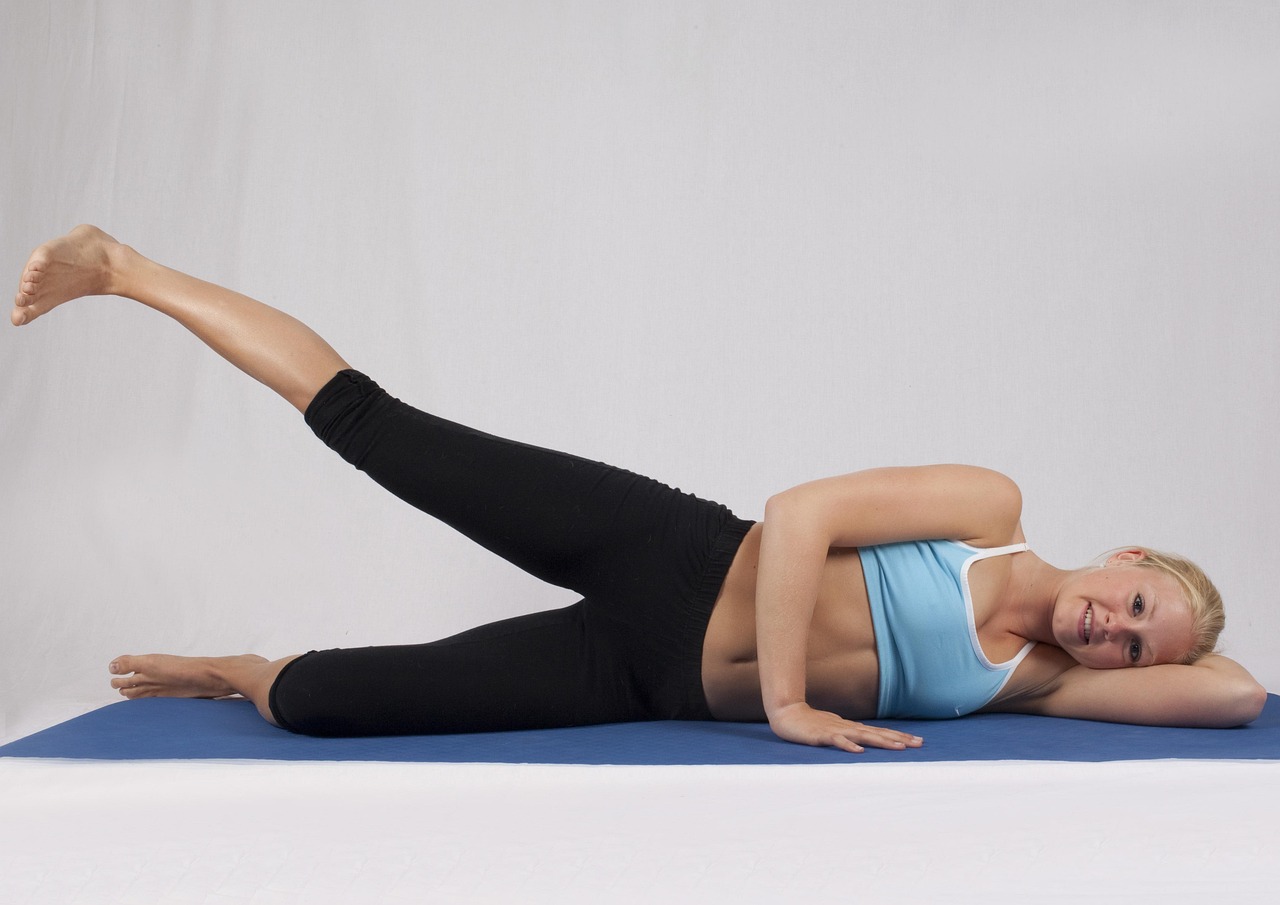
🌸 Your Journey Continues from Home
Practicing yoga at home empowers you to take complete ownership of your wellness journey. You’ve learned that transformation doesn’t require expensive memberships or perfect conditions—just willingness, consistency, and self-compassion.
Your living room, bedroom, or any quiet corner becomes a sacred space where physical strength, mental clarity, and inner peace develop naturally. The practices, techniques, and wisdom you’ve discovered here provide everything needed to establish a sustainable, rewarding home yoga practice.
Begin where you are, use what you have, and trust the process. Your mat is waiting, and your journey toward balance, strength, and serenity starts the moment you decide to step onto it. Namaste. 🙏
