
Anúncios
Joint pain affects millions worldwide, impacting daily activities and quality of life.
Natural herbal teas offer a gentle, holistic approach to supporting joint health.
Through anti-inflammatory compounds and essential nutrients.

Natural Herbal Solutions for Joint Health
For centuries, traditional medicine has recognized the powerful healing properties of herbs and plants. Modern research continues to validate what ancient healers knew: certain botanicals contain compounds that can reduce inflammation, ease discomfort, and support joint mobility naturally.
Anúncios
Preparing therapeutic teas at home provides an accessible, affordable way to incorporate these healing herbs into your wellness routine. The warmth of tea itself offers comfort, while the active ingredients work systemically to address underlying inflammation and promote healing from within.
🌿 Why Choose Herbal Teas for Joint Support
Herbal teas deliver therapeutic compounds in a bioavailable form that’s easily absorbed by the body. Unlike synthetic supplements, whole plant remedies contain synergistic combinations of flavonoids, polyphenols, and other phytonutrients that work together harmoniously.
Anúncios
The ritual of preparing and sipping tea also encourages mindfulness and stress reduction. Since stress can exacerbate inflammation and pain, this psychological benefit enhances the physical healing properties of the herbs themselves.
Regular consumption allows for gradual, sustainable improvements rather than temporary symptom masking. Many people notice reduced stiffness, improved mobility, and decreased inflammation after incorporating therapeutic teas into their daily routine for several weeks.
☕ Golden Turmeric Ginger Tea Recipe
This vibrant anti-inflammatory powerhouse combines two of nature’s most researched joint-supporting herbs. Turmeric contains curcumin, a compound extensively studied for its ability to reduce inflammatory markers, while ginger offers gingerols that complement these effects beautifully.
Ingredients:
- 1 teaspoon fresh turmeric root, grated (or ½ teaspoon dried)
- 1 teaspoon fresh ginger root, grated
- 2 cups filtered water
- ¼ teaspoon black pepper (enhances curcumin absorption by 2000%)
- 1 teaspoon raw honey (optional)
- ½ teaspoon coconut oil (helps with curcumin absorption)
- Fresh lemon juice to taste
Preparation method: Bring water to a boil, then reduce to a gentle simmer. Add grated turmeric and ginger, allowing them to infuse for 10-12 minutes. The longer steeping time extracts more beneficial compounds. Strain into your favorite mug, add black pepper and coconut oil, then stir well. Finish with honey and lemon if desired.
Drink this golden elixir once or twice daily, preferably with meals containing healthy fats to maximize absorption. Many people notice improved morning mobility after making this part of their breakfast routine.
🍃 Soothing Green Tea with Nettle Blend
Green tea provides powerful antioxidants called catechins that protect cartilage from degradation. Nettle leaf adds minerals including silica, which supports connective tissue health, along with natural antihistamine properties that can reduce inflammatory responses.
Ingredients:
- 1 teaspoon high-quality green tea leaves
- 1 tablespoon dried nettle leaf
- 2 cups water (heated to 170°F/75°C, not boiling)
- Fresh mint leaves (optional, for flavor)
Brewing instructions: Heat water to the proper temperature—boiling water makes green tea bitter and destroys delicate catechins. Combine green tea and nettle in a teapot or infuser. Pour the heated water over the herbs and steep for 3-5 minutes only. Over-steeping creates bitterness and reduces the beneficial compounds.
This gentle tea works wonderfully as an afternoon pick-me-up, providing sustained energy without the jitters while delivering joint-supporting nutrients. The combination is particularly effective for those dealing with both joint concerns and seasonal allergies.
🌺 Anti-Inflammatory Hibiscus Rose Hip Tea
This ruby-red infusion tastes as delicious as it looks. Rose hips contain exceptional levels of vitamin C, essential for collagen production and cartilage repair. Hibiscus contributes anthocyanins that reduce inflammatory cytokines responsible for joint degradation.
Ingredients:
- 2 tablespoons dried hibiscus flowers
- 1 tablespoon rose hip pieces
- 1 cinnamon stick
- 3 cups boiling water
- Stevia or honey to sweeten (optional)
How to prepare: Place hibiscus, rose hips, and cinnamon stick in a heat-resistant container. Pour boiling water over the ingredients and cover tightly. Allow to steep for 15-20 minutes to extract the full spectrum of beneficial compounds. The result should be a deep crimson color with a pleasantly tart flavor.
This tea can be enjoyed hot or iced, making it versatile for year-round consumption. The tart flavor profile makes it refreshing during warm weather, while the warming spice notes comfort during cooler months.
🌾 Traditional Willow Bark and Meadowsweet Infusion
Willow bark contains salicin, a natural compound that converts to salicylic acid in the body—the same active ingredient found in aspirin. Meadowsweet offers complementary benefits while being gentler on the stomach than willow bark alone.
Ingredients:
- 1 teaspoon dried willow bark
- 1 teaspoon dried meadowsweet
- 2 cups water
- Chamomile flowers (optional, for flavor and additional anti-inflammatory benefits)
Preparation process: This tea requires a decoction method rather than simple steeping. Combine willow bark with cold water in a small pot. Bring to a boil, then reduce heat and simmer gently for 20 minutes. Remove from heat, add meadowsweet and chamomile, then cover and steep for an additional 10 minutes. Strain thoroughly before drinking.
Important note: Those with aspirin sensitivities or taking blood-thinning medications should consult healthcare providers before using willow bark. This powerful traditional remedy deserves respect and appropriate caution.
🍵 Cooling Boswellia and Holy Basil Tea
Boswellia, also known as Indian frankincense, contains boswellic acids that inhibit inflammatory enzymes. Holy basil (tulsi) adds adaptogenic properties that help the body manage stress-related inflammation while supporting overall immune function.
Ingredients:
- ½ teaspoon boswellia resin powder
- 1 tablespoon fresh or dried holy basil leaves
- 2 cups hot water
- A pinch of cardamom (enhances absorption and adds pleasant flavor)
- Coconut milk (optional, helps with boswellia absorption)
Making the tea: Bring water to just below boiling. Add holy basil and cardamom to your teapot. If using boswellia powder, mix it first with a small amount of warm coconut milk to create a smooth paste, then add to the pot. Pour hot water over all ingredients and steep covered for 8-10 minutes. Strain well, as boswellia can be slightly resinous.
This Ayurvedic-inspired blend works particularly well for those experiencing both physical discomfort and stress-related symptoms. Many find it helpful as an evening ritual to promote relaxation and prepare the body for restorative sleep.
💚 Mineral-Rich Horsetail and Alfalfa Blend
Joint health requires adequate mineral nutrition, particularly silica, calcium, and magnesium. This nourishing infusion delivers these building blocks in plant-based, easily absorbable forms that support bone density and connective tissue integrity.

Ingredients:
- 1 tablespoon dried horsetail herb
- 1 tablespoon dried alfalfa leaf
- 1 teaspoon oat straw (optional, adds additional silica)
- 3 cups boiling water
Infusion method: Combine all dried herbs in a quart jar or large teapot. Pour boiling water over the herbs, filling the container completely. Cover tightly with a lid—this is crucial for retaining volatile compounds and essential oils. Allow to steep for at least 4 hours or overnight for maximum mineral extraction. Strain and drink throughout the day, either warm or at room temperature.
This nutritive infusion doesn’t provide immediate relief like anti-inflammatory teas, but instead builds foundational joint health over time through consistent mineral supplementation. Think of it as nutritional support rather than acute symptom management.
🔥 Warming Cayenne and Cinnamon Circulation Tea
Proper circulation ensures that nutrients reach joint tissues while removing inflammatory waste products. This spicy, warming blend stimulates blood flow to peripheral tissues including joints, while providing pain-relieving capsaicin from cayenne pepper.
Ingredients:
- 1 Ceylon cinnamon stick (or ½ teaspoon powder)
- Tiny pinch of cayenne pepper (start with 1/16 teaspoon)
- 1 teaspoon fresh grated ginger
- 2 cups water
- Raw honey and lemon to balance the heat
Preparation: Simmer cinnamon stick and ginger in water for 10 minutes. Remove from heat and add cayenne—start conservatively as cayenne is potent. Steep for 2-3 minutes, then strain. Add honey and lemon to create a balanced flavor profile that makes the spice more palatable.
This tea works best when consumed during colder months or when you’re feeling particularly stiff. The warming sensation signals increased circulation, which many people find immediately comforting. Start with less cayenne and gradually increase as your tolerance builds.
📋 Creating Your Personal Tea Routine
Consistency matters more than perfection when using herbal teas therapeutically. Rather than trying all these recipes randomly, select 2-3 that appeal to you and incorporate them into a regular schedule for at least 4-6 weeks to assess their effects.
Sample daily routine:
- Morning: Golden Turmeric Ginger Tea with breakfast for anti-inflammatory support
- Afternoon: Green Tea with Nettle Blend for sustained energy and mineral nutrition
- Evening: Boswellia and Holy Basil Tea to reduce inflammation and promote relaxation
- Throughout the day: Mineral-Rich Horsetail infusion sipped at room temperature
Keep a simple journal noting your mobility, stiffness levels, and overall comfort. This helps you identify which teas provide the most benefit for your unique situation, allowing you to refine your routine over time.
⚠️ Safety Considerations and Quality Matters
While herbal teas are generally safe, they contain biologically active compounds that can interact with medications or affect certain health conditions. Those taking blood thinners, diabetes medications, or immune suppressants should consult healthcare providers before beginning any herbal regimen.
Source your herbs from reputable suppliers who provide organic, tested products free from contaminants, pesticides, and heavy metals. Quality varies dramatically between suppliers, and therapeutic benefits depend on using properly harvested, stored, and processed botanicals.
Pregnant and nursing women should exercise particular caution, as many herbs traditionally used for joint support aren’t recommended during these periods. When in doubt, work with a qualified herbalist or naturopathic physician who can provide personalized guidance.
🌟 Enhancing Results Through Lifestyle Integration
Herbal teas work best as part of a comprehensive approach to joint health. Combine your tea ritual with gentle movement practices like yoga, swimming, or tai chi. These activities maintain range of motion and build supportive muscle strength without excessive joint stress.
Adequate hydration amplifies the benefits of therapeutic teas. Beyond your herbal infusions, aim for at least 6-8 glasses of pure water daily. Proper hydration maintains the synovial fluid that cushions and lubricates joints, supporting comfortable movement.
Consider anti-inflammatory dietary patterns that complement your tea routine. Emphasize colorful vegetables, omega-3 rich foods like wild-caught fish and walnuts, and minimize processed foods, refined sugars, and excessive omega-6 oils that promote inflammation.
🎯 Tracking Progress and Adjusting Your Approach
Herbal medicine works gradually, building beneficial effects through consistent use rather than providing instant relief. Most people begin noticing improvements after 3-4 weeks of regular consumption, with more significant changes emerging around the 8-12 week mark.
Pay attention to subtle shifts in morning stiffness, how long you can comfortably walk or stand, and your overall energy levels throughout the day. These incremental improvements indicate that your herbal protocol is working even before major pain reduction occurs.
Don’t hesitate to adjust recipes based on your preferences and responses. If one tea causes digestive upset, try a different blend. If certain flavors don’t appeal to you, you’re less likely to maintain consistency. The best herbal protocol is one you’ll actually follow long-term.
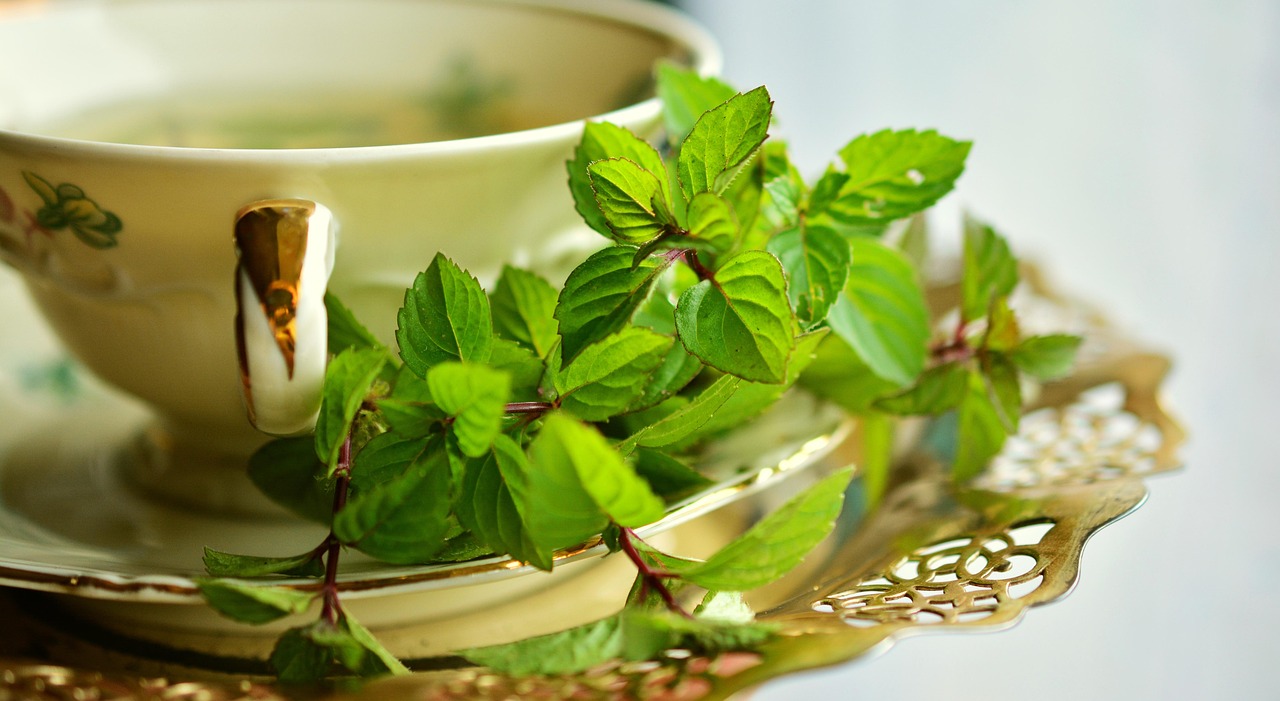
✨ The Holistic Benefits Beyond Joint Support
These therapeutic teas offer benefits that extend far beyond joint health. The antioxidants protect cells throughout your body from oxidative damage. The anti-inflammatory compounds support cardiovascular health, cognitive function, and healthy aging processes systemically.
The ritual itself provides psychological benefits that shouldn’t be underestimated. Taking time to prepare and mindfully enjoy your tea creates a moment of self-care in busy days. This stress reduction contributes to overall wellness and may reduce stress-related inflammation that affects joints.
Many people find that beginning a therapeutic tea practice inspires broader wellness improvements. The commitment to supporting your health naturally often leads to better food choices, increased movement, and greater attention to sleep quality—all factors that influence joint comfort and mobility.
Embracing herbal teas as part of your joint health strategy connects you with healing traditions spanning millennia while utilizing plants validated by modern research. This bridge between ancient wisdom and contemporary science offers a gentle, sustainable path toward greater comfort, mobility, and overall vitality in your daily life.
