
Anúncios
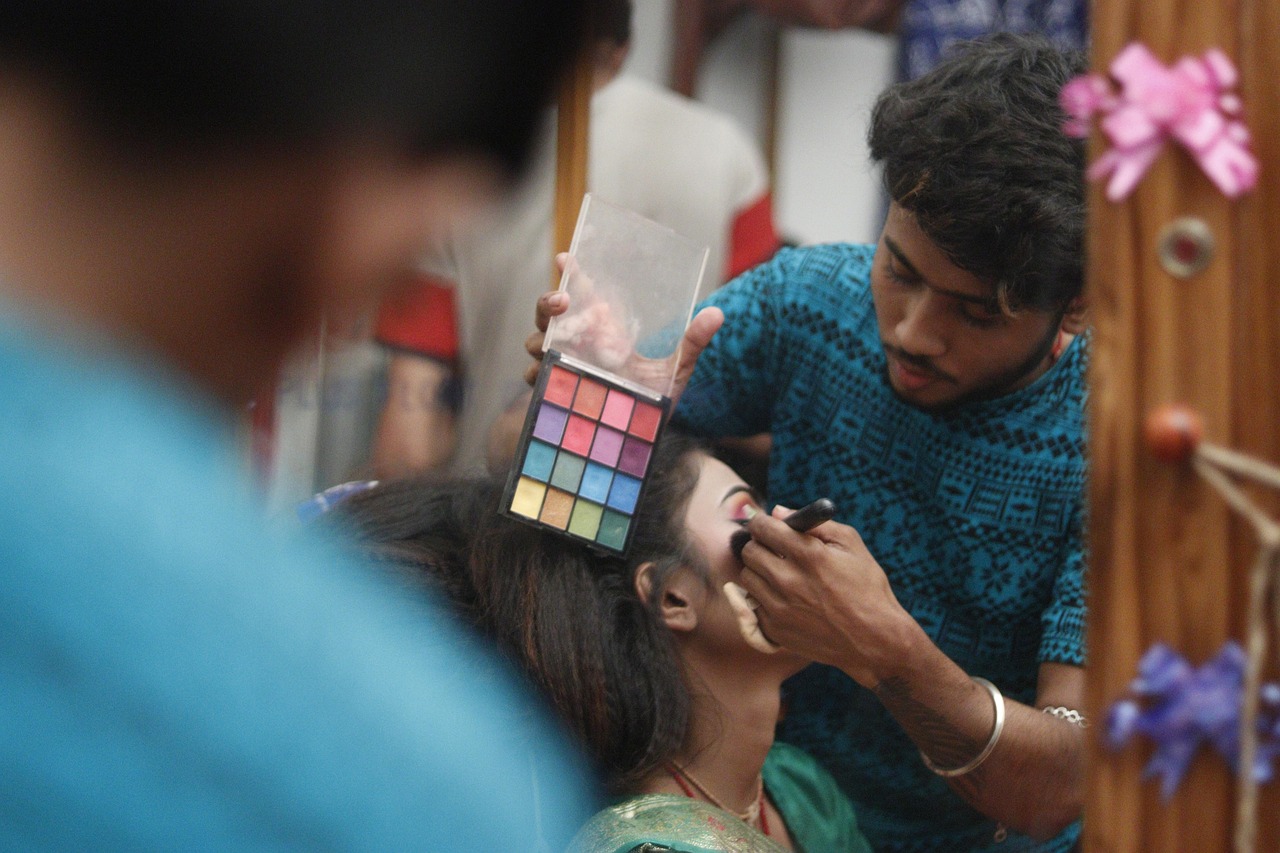
Learning makeup artistry is an empowering journey that transforms how you express yourself and boosts your confidence through creative self-expression.
Master the Art of Makeup Application
Makeup has evolved from being purely cosmetic to becoming an art form that allows individuals to enhance their natural features, experiment with different looks, and express their personality. Whether you’re a complete beginner or someone looking to refine existing skills, understanding the fundamentals of makeup application opens doors to endless creative possibilities.
Anúncios
The beauty industry continues to grow exponentially, with new products, techniques, and trends emerging regularly. However, mastering the basics remains essential before exploring advanced artistry. This comprehensive guide will walk you through everything you need to know about learning makeup, from selecting the right tools to executing flawless application techniques. ✨
Understanding Your Skin Type and Tone
Before purchasing any makeup products, identifying your skin type and undertone is crucial for achieving a natural, seamless finish. Your skin type—whether oily, dry, combination, or normal—determines which product formulations work best for you.
Anúncios
To determine your undertone, examine the veins on your wrist in natural lighting. Blue or purple veins indicate cool undertones, green veins suggest warm undertones, and a mix of both points to neutral undertones. This knowledge becomes invaluable when selecting foundation, concealer, and other complexion products that need to blend seamlessly with your natural skin.
Additionally, consider your skin’s sensitivity level. If you have reactive or sensitive skin, opt for hypoallergenic, fragrance-free formulations to minimize irritation. Testing products on a small patch of skin before full application can prevent adverse reactions and wasted money on incompatible products.
Essential Makeup Tools Every Beginner Needs 🖌️
Investing in quality tools makes a significant difference in application precision and overall finish. While professional makeup artists carry extensive brush collections, beginners can start with a basic set that covers fundamental techniques.
A foundation brush or beauty sponge ensures even product distribution across your face. Beauty sponges, when dampened, provide airbrushed finishes and work particularly well with liquid and cream formulations. Powder brushes with fluffy, dense bristles help set your makeup without disturbing underlying layers.
Eye makeup requires more specialized tools. A flat shader brush applies eyeshadow to lids, while fluffy blending brushes diffuse harsh lines for seamless transitions. Angled brushes work perfectly for precise eyeliner application and defining brows. Don’t forget an eyelash curler and quality mascara wand for eye-opening effects.
For lips, precision applicators or lip brushes allow controlled color placement, especially when working with bold shades. Spoolie brushes keep brows groomed and blend brow products naturally. Maintaining these tools through regular cleaning extends their lifespan and prevents bacterial buildup that can compromise skin health.
Building Your Starter Makeup Collection
Creating a functional makeup collection doesn’t require purchasing every trending product. Focus on versatile essentials that address your specific needs and preferences while allowing room for experimentation.
Start with a quality primer suited to your skin type. Primers create smooth canvases for makeup application, minimize pore appearance, and enhance product longevity. Next, select a foundation that matches your skin tone perfectly and addresses your coverage preferences—sheer, medium, or full.
Concealer brightens under-eye areas and camouflages blemishes or discoloration. Choose a shade one to two tones lighter than your foundation for highlighting purposes. Setting powder locks everything in place, particularly in areas prone to oiliness like the T-zone.
For color products, begin with neutral eyeshadow palettes that complement your eye color. Browns, taupes, and soft pinks offer endless versatility for both daytime and evening looks. Add a basic black or brown eyeliner and volumizing mascara to define eyes further.
Blush adds healthy dimension to cheeks, while bronzer provides warmth and subtle contouring. Highlighter strategically placed on high points of the face—cheekbones, brow bones, and cupid’s bow—creates luminous, lifted appearances. Complete your collection with a nude lipstick and one statement shade that makes you feel confident.
Mastering Skincare as Your Makeup Foundation
Beautiful makeup starts with healthy skin. Establishing a consistent skincare routine dramatically improves how makeup sits on your face and extends its wear time throughout the day.
Begin with gentle cleansing morning and night to remove impurities, excess oil, and makeup residue. Follow with toner to balance skin pH and prepare for subsequent products. Moisturizer hydrates and plumps skin, creating ideal texture for makeup application.
Sun protection cannot be overlooked—daily SPF application prevents premature aging and protects against harmful UV damage. Many makeup products now include SPF, but dedicated sunscreen provides more reliable protection. Allow skincare products to absorb fully before beginning makeup application, typically waiting 5-10 minutes after moisturizing.
Weekly exfoliation removes dead skin cells that can cause makeup to appear patchy or cakey. However, avoid over-exfoliating, which can sensitize skin and create irritation. Listen to your skin’s needs and adjust your routine accordingly. 🌸
The Perfect Canvas: Primer and Foundation Application
Primer transforms your skin into an ideal base for makeup. Apply a pea-sized amount to the center of your face and blend outward using fingertips, a brush, or sponge. Focus on areas with enlarged pores, fine lines, or uneven texture.
When applying foundation, less is more. Start with a small amount and build coverage gradually in areas that need it. Dot foundation on your forehead, cheeks, nose, and chin, then blend outward and downward using your preferred tool. This technique ensures natural-looking coverage without harsh demarcation lines along the jawline.
Blend foundation down your neck to avoid obvious color differences between your face and body. Natural lighting provides the most accurate assessment of your blending work—check your makeup near a window before finalizing your look.
For specific concerns like blemishes or dark circles, layer concealer over foundation rather than under it. This approach requires less product overall and creates more seamless results. Set your base with translucent powder, focusing on areas that tend to get oily throughout the day.
Eye Makeup Techniques for Stunning Results 👁️
Eyes serve as focal points in makeup looks, and mastering eye techniques elevates your entire appearance. Begin with eyeshadow primer on lids to prevent creasing and intensify color payoff.
The basic eyeshadow application follows a simple three-shade rule: apply a light shade across the entire lid as a base, place a medium shade in the crease for dimension, and add a darker shade to the outer corner for depth. Blend between colors using windshield-wiper motions with a clean, fluffy brush.
Eyeliner defines and shapes eyes. For beginners, pencil liners offer more control than liquid formulas. Start by lining the upper lash line from the inner corner outward, staying as close to lashes as possible. Wing tips create lifted, dramatic effects but require practice—use small, short strokes rather than attempting one continuous line.
Curl lashes before applying mascara for maximum impact. Wiggle the mascara wand at the base of lashes and sweep upward in zig-zag motions to separate and coat each lash evenly. Apply two coats for volume, allowing the first coat to dry slightly before adding the second.
Sculpting and Defining: Contour and Highlight
Contouring and highlighting strategically enhance facial features by creating shadows and light. These techniques require understanding your face shape to determine optimal product placement.
Contour shades should be two to three tones darker than your natural skin tone with cool, grayish undertones that mimic natural shadows. Apply contour under cheekbones, along the hairline, down the sides of the nose, and under the jawline. Blend thoroughly to avoid harsh, muddy lines.
Highlighter brings forward the areas you want to emphasize. Apply to cheekbone tops, down the bridge of your nose, on your cupid’s bow, and in the inner corners of eyes. Choose highlighters with flattering undertones—champagne and gold suit warm skin tones, while pink and pearl complement cool tones.
Blending is crucial for both techniques. Use a clean beauty sponge or brush to diffuse edges until contour and highlight seamlessly integrate with your foundation. The goal is subtle enhancement, not obvious lines or patches of shimmer. ✨
Perfecting Your Brow Game
Well-groomed eyebrows frame your face and pull together your entire makeup look. Start by identifying your natural brow shape and determining where brows should begin, arch, and end.
Use a spoolie to brush brow hairs upward and outward in their natural growth direction. Fill sparse areas with brow pencil, powder, or pomade using light, hair-like strokes rather than solid lines. Match products to your natural brow color or go one shade lighter for softer results.
Set brows in place with clear or tinted brow gel. This final step keeps hairs positioned throughout the day and adds subtle volume. For extra definition, apply concealer around the brow perimeter and blend for crisp, clean edges.
Avoid over-plucking or dramatically altering your natural brow shape. Current trends favor fuller, more natural brows that complement rather than dominate facial features. If you’ve over-plucked in the past, allow brows to grow back fully before reshaping.
Lip Color Application and Long-Lasting Wear 💄
Lips offer opportunities for both subtle enhancement and bold statements. Prep lips by exfoliating away dry, flaky skin and applying balm to ensure smooth application.
Lip liner prevents feathering and extends lipstick wear. Line lips slightly outside your natural lip line for fuller appearance, or trace directly along the edge for precision. Fill in lips entirely with liner to create a base that helps lipstick adhere better.
Apply lipstick with a brush for precision or directly from the bullet for convenience. Blot with tissue, apply powder through the tissue, then add another lipstick layer for extended wear. This technique creates long-lasting color that survives eating and drinking.
For ombré effects, apply darker shades to outer corners and lighter tones to the center, blending where colors meet. Gloss adds dimension and makes lips appear fuller when applied to the center of lips over matte color.
Common Makeup Mistakes to Avoid
Even experienced makeup enthusiasts make errors that compromise their looks. Awareness of common mistakes helps you avoid them as you develop your skills.
Mismatched foundation remains the most frequent issue. Always test foundation in natural light on your jawline, not your hand or wrist, which differ in color from facial skin. Oxidation causes some foundations to darken after application, so wait 10 minutes after testing before making purchasing decisions.
Overusing powder creates cakey, aged appearances. Apply powder only where needed—typically the T-zone—and use light, pressing motions rather than sweeping to preserve the dewy, natural finish beneath.
Neglecting to blend is another common error. Every product transition should be seamless, from foundation along the jawline to eyeshadow in the crease. Invest time in thorough blending for professional-looking results.
Using expired products risks skin irritation and infection. Mascara should be replaced every three months, liquid foundations every 6-12 months, and powder products every two years. If products smell off, change texture, or separate, discard them regardless of age.
Adapting Makeup for Different Occasions
Your makeup should complement the occasion, lighting conditions, and overall aesthetic you’re creating. Daytime looks typically favor natural, subtle enhancement that withstands natural lighting scrutiny.
For professional settings, stick to neutral tones and minimal shimmer. Focus on creating even, healthy-looking skin, defined but natural brows, and subtle eye definition. Nude or pink lip colors work universally in corporate environments.
Evening events allow for more drama and experimentation. Lighting conditions in restaurants and event spaces permit bolder colors, more intense eyeshadow, and deeper lip shades. Add extra highlight for dimension under artificial lighting, which can wash out features.
Photography requires special consideration. Matte products photograph better than shimmer, which can create unwanted glare in flash photography. Slightly intensify your usual makeup to prevent looking washed out in photos, but avoid extreme contouring that appears harsh in pictures. 📸
Developing Your Signature Style
As you gain confidence with basic techniques, begin experimenting to discover what makes you feel most beautiful and authentic. Your signature look should reflect your personality, lifestyle, and preferences.
Pay attention to which features you most enjoy enhancing. Some people focus on bold lips with minimal eye makeup, while others prefer dramatic eyes with nude lips. Neither approach is superior—your preferences should guide your choices.
Consider your daily routine and lifestyle. If you’re constantly on-the-go, streamlined looks using multitasking products make more sense than elaborate, time-consuming applications. Find the balance between impact and practicality that works for your life.
Don’t feel pressured to follow every trend. Trends come and go, but developing skills with classic techniques provides versatility to adapt any look to your personal style. Use trends as inspiration rather than rigid rules.
Continuous Learning and Skill Development

Makeup artistry is an evolving journey rather than a destination. Technology and social media provide unprecedented access to tutorials, tips, and inspiration from professionals and enthusiasts worldwide.
Video tutorials offer visual demonstrations that written instructions cannot match. Follow makeup artists whose aesthetics align with your goals, and practice techniques they demonstrate. Remember that professionals make difficult techniques look effortless through years of practice.
Practice remains the single most important factor in improvement. Set aside time specifically for experimenting without the pressure of going anywhere. Try new techniques, color combinations, and products in a low-stakes environment.
Consider taking classes or booking makeup lessons with professionals. Personalized instruction addresses your specific challenges and provides immediate feedback that accelerates learning. Many makeup retailers offer complimentary or affordable consultations and tutorials.
Maintaining and Organizing Your Collection 🎨
Proper storage and organization extend product life and make daily application more efficient. Store makeup in cool, dry places away from direct sunlight, which degrades product quality.
Organize products by category—all eye products together, face products separate from lip products—so you can easily find what you need. Clear acrylic organizers let you see everything at a glance, reducing forgotten products that expire unused.
Clean brushes and tools weekly using gentle soap or specialized cleaners. Deep cleaning removes product buildup and bacteria that can cause breakouts. Allow brushes to dry completely before using or storing them.
Regularly assess your collection and remove products you don’t use. Unused products take up space and create overwhelming clutter that makes getting ready feel like a chore rather than creative self-expression.
Embracing Makeup as Self-Expression
Ultimately, makeup serves as a tool for self-expression and creativity rather than a requirement or obligation. The most important aspect of learning makeup is developing confidence in your abilities and comfort with your appearance.
There’s no single “correct” way to apply makeup—what matters is that you feel confident and comfortable with your results. Some days you might prefer full glam, while other times minimal enhancement feels right. Both approaches are equally valid.
Be patient with yourself during the learning process. Everyone starts as a beginner, and even professionals continue learning throughout their careers. Celebrate small improvements and don’t compare your beginning to someone else’s middle or end.
Remember that makeup washes off. If you try something and don’t like it, you can remove it and start fresh. This temporary nature makes makeup a low-risk medium for experimentation and creative exploration. Enjoy the journey of discovering what makes you feel beautiful, confident, and authentically yourself! 💖
