
Anúncios
Staying hydrated is one of the simplest yet most overlooked aspects of maintaining good health and vitality throughout your day.


We live in a fast-paced world where distractions are constant, deadlines loom, and our attention shifts from one task to another without pause. In this whirlwind of activity, drinking enough water often falls to the bottom of our priority list. Yet, our bodies depend on proper hydration to function optimally, affecting everything from cognitive performance to physical endurance.
Anúncios
Understanding why hydration matters and finding practical ways to remember drinking water can transform your energy levels, mood, and overall well-being. Let’s explore the science behind hydration, the consequences of neglecting it, and actionable strategies to make drinking water a consistent habit.
💧 Why Your Body Desperately Needs Water
Water isn’t just another beverage—it’s the foundation of life itself. Approximately 60% of your body weight consists of water, and every cell, tissue, and organ requires it to function properly. From regulating body temperature to lubricating joints, water plays countless essential roles.
Anúncios
When you’re properly hydrated, your body can efficiently transport nutrients, remove waste products, and maintain blood pressure at healthy levels. Your kidneys rely on adequate water intake to filter toxins, while your digestive system needs it to prevent constipation and promote smooth digestion.
Even mild dehydration can trigger noticeable symptoms. Research shows that losing just 1-2% of your body’s water content can impair concentration, increase fatigue, and negatively affect your mood. Athletes know this well—dehydration reduces physical performance, endurance, and recovery speed.
🧠 The Brain-Water Connection
Your brain is particularly sensitive to hydration status. Studies demonstrate that even slight dehydration can impair memory, attention span, and decision-making abilities. When you’re dehydrated, your brain tissue actually shrinks temporarily, requiring it to work harder to accomplish the same tasks.
Headaches are often one of the first warning signs of dehydration. Before reaching for pain medication, try drinking a full glass of water and waiting 15-20 minutes. You might be surprised how often this simple remedy works.
⚠️ Warning Signs You’re Not Drinking Enough
Your body sends clear signals when it needs more water, but many people have learned to ignore or misinterpret these messages. Recognizing the warning signs early can help you address dehydration before it becomes problematic.
- Thirst: By the time you feel thirsty, you’re already mildly dehydrated
- Dark yellow urine: Pale yellow indicates good hydration; darker shades suggest you need more water
- Dry mouth and lips: A classic sign that your body needs immediate hydration
- Fatigue and sluggishness: Dehydration reduces blood volume, making your heart work harder
- Dizziness or lightheadedness: Especially when standing up quickly
- Decreased urination frequency: Fewer than four bathroom trips daily may indicate insufficient intake
- Dry skin: Chronic dehydration affects skin elasticity and appearance
- Constipation: Your colon pulls water from stools when you’re dehydrated
Some people confuse thirst with hunger, leading to unnecessary snacking when their bodies actually need water. Next time you feel peckish between meals, try drinking water first and reassessing after ten minutes.
📱 Smart Strategies to Remember Drinking Water
Knowing you should drink more water is one thing; actually remembering to do it consistently is another challenge entirely. The good news is that technology and simple habit-building techniques can make hydration effortless.
🔔 Leverage Technology and Apps
Smartphone apps designed specifically for hydration tracking have revolutionized how people maintain their water intake. These digital companions send timely reminders throughout the day, track your consumption patterns, and help you set personalized goals based on your body weight, activity level, and climate.
The best hydration apps allow you to customize reminder intervals, log different beverage types, and visualize your progress through charts and statistics. Some even send motivational messages and award achievements when you meet your targets consistently.

Setting your phone alarm at regular intervals—such as every hour during waking hours—provides consistent prompts without requiring specialized apps. However, dedicated water reminder applications offer more sophisticated features tailored specifically to hydration goals.
🏠 Create Environmental Cues
Your environment significantly influences your behavior. By strategically placing water bottles in visible locations, you create constant visual reminders to drink. Keep a filled water bottle on your desk, nightstand, coffee table, and in your car.
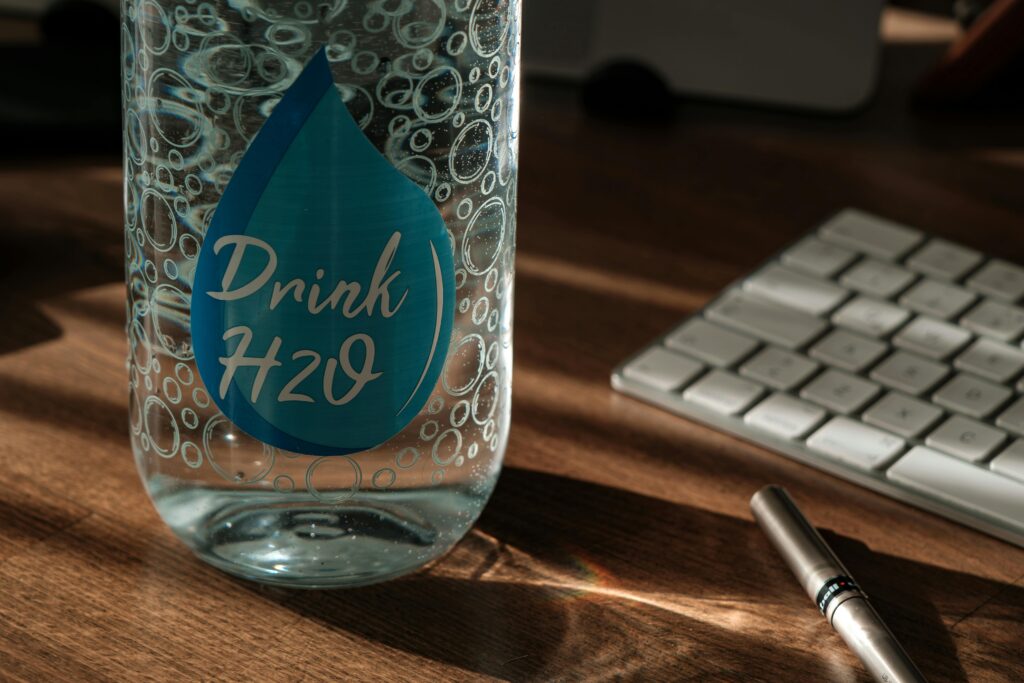
Invest in a water bottle you genuinely enjoy using. Whether it’s an insulated stainless steel bottle that keeps water cold for hours, a glass bottle with inspirational quotes, or a bottle with time markers showing your progress throughout the day, choosing the right container makes hydration more appealing.
⏰ Link Water to Daily Habits
Habit stacking—connecting a new behavior to an existing routine—is one of the most effective behavior change strategies. Identify habits you already perform consistently and attach water drinking to them.
For example, drink a full glass immediately after waking up, before each meal, after using the bathroom, before and after exercise, and before bed. This approach requires no special reminders because the existing habit triggers the hydration behavior automatically.
💪 How Much Water Do You Actually Need?
The old “eight glasses a day” rule provides a reasonable baseline, but individual water needs vary considerably based on numerous factors. A more personalized approach considers your body weight, activity level, climate, and overall health status.
A common recommendation suggests drinking half your body weight in ounces daily. For someone weighing 150 pounds, this equals 75 ounces (roughly 2.2 liters). Active individuals, those living in hot climates, pregnant or nursing women, and people with certain health conditions require additional intake.
| Activity Level | Additional Water Needed |
|---|---|
| Sedentary lifestyle | Baseline amount |
| Moderate exercise (30-60 min) | Add 12-16 oz (350-475 ml) |
| Intense exercise (60+ min) | Add 16-24 oz (475-700 ml) or more |
| Hot/humid weather | Increase by 20-30% |
| High altitude | Add 16-32 oz (475-950 ml) |
Listen to your body’s signals rather than rigidly adhering to arbitrary numbers. Your urine color provides the most practical hydration indicator—aim for pale yellow throughout the day.
🍋 Making Water More Appealing
If plain water doesn’t excite your taste buds, you’re not alone. Many people struggle to drink adequate amounts simply because they find water boring. Fortunately, countless ways exist to enhance flavor without adding significant calories or artificial ingredients.
Infusing water with fresh fruits, vegetables, and herbs creates delicious combinations. Try cucumber and mint, lemon and ginger, strawberry and basil, or orange and blueberry. Let the ingredients steep in cold water for at least two hours for maximum flavor.
Herbal teas (served hot or iced) count toward your daily water intake while providing variety. Unsweetened options like chamomile, peppermint, hibiscus, and rooibos offer different flavors and potential health benefits without dehydrating caffeine.
Sparkling water satisfies the craving for carbonation without the sugar, artificial sweeteners, or additives found in sodas. If you drink sparkling water regularly, investing in a home carbonation system becomes cost-effective and environmentally friendly.
🏃♀️ Hydration and Physical Performance
Athletes and fitness enthusiasts understand that hydration directly impacts performance. Dehydration reduces endurance, strength, and coordination while increasing perceived effort—making exercises feel harder than they actually are.
Before exercise, aim to drink 16-20 ounces of water two to three hours beforehand, followed by another 8-10 ounces 15 minutes before starting. During workouts lasting longer than an hour, consume 7-10 ounces every 10-20 minutes. After exercising, replace each pound lost through sweat with 16-24 ounces of water.
For intense or prolonged exercise sessions, especially in hot conditions, consider beverages containing electrolytes. Sodium, potassium, and other minerals lost through sweat need replenishment to maintain proper fluid balance and prevent cramping.
🌙 Hydration Throughout the Day
Timing your water intake strategically maximizes benefits while minimizing nighttime bathroom trips. Front-loading your consumption—drinking more in the morning and afternoon—ensures proper hydration without disrupting sleep.
Starting your day with water jumpstarts your metabolism, flushes out toxins accumulated overnight, and helps you feel alert. Keep a glass of water on your nightstand and drink it immediately upon waking, before reaching for coffee or breakfast.
Drinking water before meals aids digestion and can help with weight management by promoting feelings of fullness. However, avoid excessive water consumption during meals, as it may dilute digestive enzymes and stomach acid.
Reduce water intake about two hours before bedtime to minimize nighttime awakenings. If you wake frequently to urinate, this timing adjustment often solves the problem while maintaining overall hydration.
👨👩👧👦 Teaching Children Healthy Hydration Habits
Establishing good hydration habits during childhood creates lifelong patterns. Children often become so engrossed in play and activities that they forget to drink water until they’re quite thirsty.
Make water the default beverage in your household. Keep water easily accessible at child height, use colorful or character-themed water bottles, and model good hydration behavior yourself. Children imitate what they see more than what they’re told.
Create fun hydration challenges or reward charts that celebrate consistent water drinking without using food as rewards. Turn hydration into a game by having family “water breaks” where everyone drinks together.
🌡️ Seasonal Hydration Considerations
Your hydration needs fluctuate with seasons and weather conditions. Summer heat and humidity increase fluid loss through sweat, making higher intake essential. Winter’s dry air, while less obvious, also increases water needs through respiration and heated indoor environments.
Cold weather often suppresses thirst signals, causing people to drink less precisely when they need adequate hydration to support immune function during cold and flu season. Warm beverages like herbal teas make hydration more appealing during colder months.
Air travel deserves special mention—cabin air is exceptionally dry, causing faster dehydration. Drink extra water before, during, and after flights, avoiding alcohol and excessive caffeine which further dehydrate.
🎯 Overcoming Common Hydration Obstacles
Many people cite specific challenges that prevent adequate water consumption. Identifying your particular obstacles allows you to develop targeted solutions.
If you dislike frequent bathroom trips at work, establish a schedule that works with your breaks. If you forget when busy, set non-negotiable hydration appointments in your calendar. If you find water boring, experiment with the flavor enhancement strategies mentioned earlier.
Some medications increase urination frequency, making people reluctant to drink more water. However, this makes proper hydration even more critical to prevent dehydration. Discuss concerns with your healthcare provider rather than reducing intake.
✨ The Transformation Proper Hydration Brings
Committing to consistent hydration produces noticeable improvements within days. Increased energy, clearer thinking, better mood, and improved skin appearance are among the first benefits people notice.
Over weeks and months, proper hydration supports weight management, reduces headache frequency, improves exercise performance, promotes clearer skin, enhances immune function, and contributes to better cardiovascular health. These benefits accumulate, creating a positive feedback loop that reinforces the habit.
Your body performs thousands of processes simultaneously, and adequate water intake supports virtually all of them. By prioritizing hydration, you’re investing in your health in one of the simplest, most cost-effective ways possible.
🚀 Starting Your Hydration Journey Today
You don’t need to overhaul your entire routine overnight. Begin with small, manageable changes that build momentum. Start by adding just one extra glass of water to your current intake, gradually increasing over several weeks.
Choose one strategy from this article that resonates with you—whether it’s using a reminder app, buying a new water bottle, or linking hydration to existing habits—and implement it consistently for three weeks. Research suggests this timeframe helps establish new behaviors.
Track your progress in a simple journal or app, noting how you feel as your hydration improves. Most people discover they have more energy, think more clearly, and simply feel better when properly hydrated.
Remember that building lasting habits requires patience and self-compassion. If you forget to drink water some days, simply restart the next day without guilt. Consistency over time matters far more than perfection.
Your body is your lifelong home, and water is the essential maintenance it requires to function beautifully. By establishing simple systems to remember drinking water throughout your day, you’re choosing vitality, clarity, and wellness. Start today, and let proper hydration transform how you feel, think, and perform in every area of your life. 💙
