
Anúncios
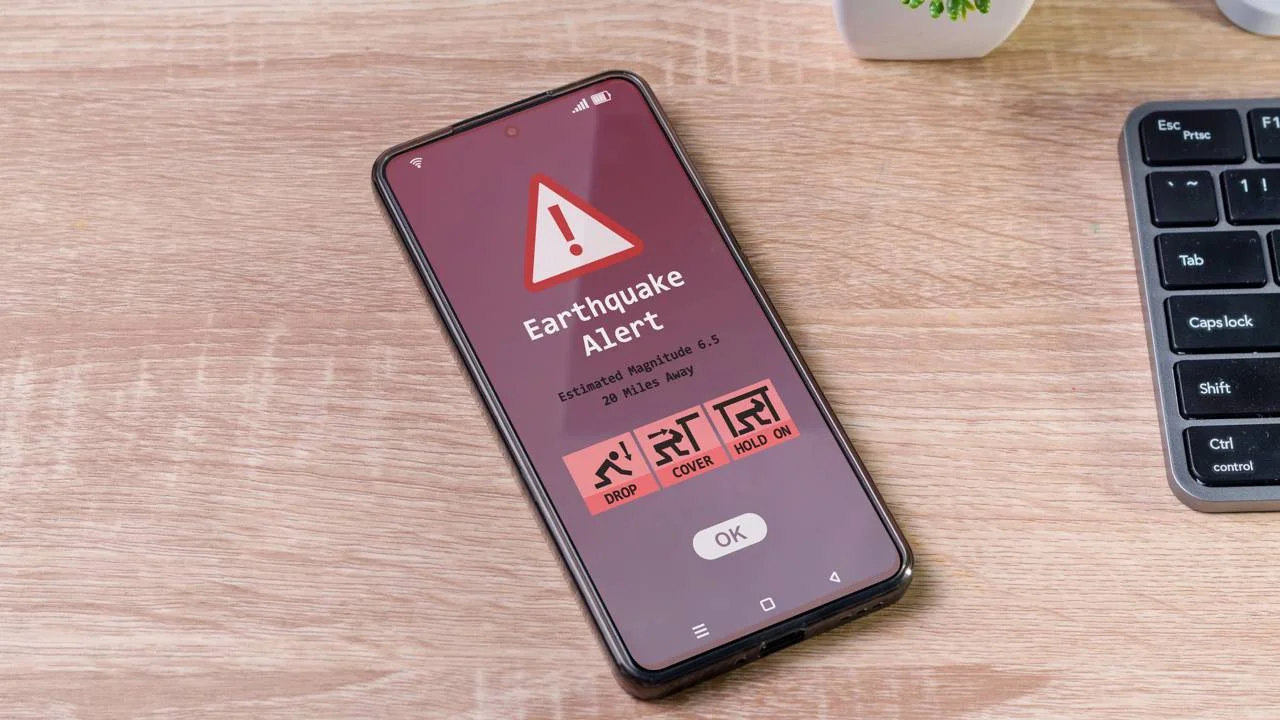
Earthquakes strike without warning,


but technology now allows us to detect seismic activity in real-time through specialized mobile applications.
Anúncios
Living in earthquake-prone regions has always meant facing uncertainty. The ground beneath our feet, usually so stable and reliable, can suddenly become a source of danger.
However, modern smartphone technology has transformed how we prepare for and respond to seismic events, placing powerful detection tools directly in our pockets.
Anúncios
These innovative applications combine scientific data with user-friendly interfaces, creating early warning systems that can save lives.
From monitoring global seismic activity to receiving personalized alerts for your specific location, earthquake detection apps have become essential tools for millions of people worldwide.
Let’s explore how these remarkable applications work and why they’re becoming increasingly important in our connected world. 🌍
Understanding Earthquake Detection Technology on Your Phone
Earthquake detection apps function through a sophisticated network of sensors and data sources. Most applications tap into global seismological databases maintained by organizations like the United States Geological Survey (USGS) and the European-Mediterranean Seismological Centre (EMSC).
These institutions operate thousands of seismic monitoring stations worldwide, continuously tracking ground movements.
When an earthquake occurs, seismic waves radiate outward from the epicenter. Professional seismometers detect these waves and immediately report the data to central databases.
Earthquake apps pull this information in real-time, processing it to provide users with instant notifications about seismic events near their location or anywhere globally.
Modern smartphones also contain accelerometers—tiny sensors originally designed to detect screen orientation. Some innovative apps have repurposed these sensors to detect earthquake motion directly.
When thousands of phones in an area simultaneously detect unusual movement patterns, the collective data can confirm an earthquake and even help estimate its magnitude. 📱

Top Features That Make Earthquake Apps Essential
The best earthquake detection applications offer far more than simple notifications. They provide comprehensive information that helps users understand seismic events and make informed safety decisions.
Real-Time Alert Systems
Immediate notifications represent the cornerstone feature of any earthquake app. These alerts typically include the earthquake’s magnitude, depth, distance from your location, and exact time of occurrence. Advanced apps can distinguish between minor tremors that pose no threat and significant earthquakes requiring immediate action.
Push notifications arrive within seconds of detection, often before people physically feel the shaking in areas farther from the epicenter. This precious warning time—sometimes just 10 to 30 seconds—can be enough to take cover, stop vehicles safely, or evacuate hazardous areas.
Interactive Mapping and Visualization
Visual representation helps users quickly grasp earthquake data. Most apps feature interactive maps showing recent seismic activity with color-coded markers indicating magnitude levels. You can zoom in to see local tremors or zoom out to view global earthquake patterns.
These maps often display the “shake intensity” in different regions, helping users understand how strongly various areas experienced the earthquake. Historical data overlays let you examine seismic patterns over time, revealing whether your region experiences regular minor earthquakes or rare major events.
Customizable Alert Preferences
Not everyone needs notifications for every earthquake worldwide. Quality apps allow you to set specific parameters: minimum magnitude thresholds, maximum distance from your location, and notification frequency preferences. This customization prevents alert fatigue while ensuring you receive warnings about truly significant events.
How Earthquake Apps Can Actually Save Lives
The practical lifesaving potential of earthquake detection apps extends beyond mere information sharing. In regions with frequent seismic activity, these applications have become integral to disaster preparedness strategies.
During the 2011 Tōhoku earthquake in Japan, early warning systems provided crucial seconds that allowed trains to slow down, surgeons to pause operations, and factory workers to shut down dangerous machinery. Similar smartphone-based systems now bring this technology to everyday citizens worldwide.
Research from Stanford University and the USGS demonstrates that crowdsourced earthquake detection through smartphones can actually improve overall seismic monitoring. In areas with sparse professional seismometer coverage, collective smartphone data fills critical gaps, potentially providing warnings where none existed before. ⚠️
Early Warning Seconds That Matter
While seconds might seem insignificant, they’re remarkably valuable during earthquakes. Studies show that even 5-10 seconds of warning significantly reduces injuries and deaths. This brief window allows people to:
- Drop, cover, and hold on to protect themselves from falling objects
- Exit elevators before power cuts trap them
- Pull vehicles to safe roadside stops away from bridges and overpasses
- Move away from windows, heavy furniture, and other hazards
- Shut off gas lines and industrial equipment to prevent fires and explosions
- Secure valuable or dangerous materials before shaking begins
Choosing the Right Earthquake Detection App
With dozens of earthquake apps available across iOS and Android platforms, selecting the most reliable option requires understanding key quality indicators.
Data Source Credibility
The most trustworthy apps source their data from established seismological institutions rather than user reports alone. Applications connected to USGS, EMSC, GeoNet, or national geological survey agencies provide scientifically verified information rather than rumors or false alarms.
Check the app description to confirm its data sources. Apps transparently listing their scientific partnerships typically offer more accurate information than those with vague data sourcing.
User Interface and Accessibility
During an emergency, you need information quickly and clearly. The best apps present critical data prominently without requiring multiple taps or complex navigation. Look for clean interfaces with large, readable text and intuitive icons that communicate information at a glance.
Accessibility features matter tremendously. Apps should function well for users with visual impairments, offering audio alerts and compatibility with screen readers. Multi-language support ensures the app serves diverse communities in earthquake-prone regions worldwide. 🌐
Battery and Data Efficiency
Earthquake apps run in the background, continuously monitoring for seismic events. This constant vigilance can drain battery life if poorly optimized. Quality applications balance comprehensive monitoring with efficient power consumption, using intelligent algorithms that activate full processing only when potential earthquakes are detected.
Similarly, data usage matters, especially in regions where mobile data plans have strict limits. Well-designed apps minimize bandwidth consumption while maintaining real-time alerting capabilities.
Beyond Detection: Educational Resources and Preparedness Tools
The most comprehensive earthquake apps extend beyond detection, offering educational content that helps users prepare for seismic events before they occur.
Many applications include survival guides explaining proper earthquake response procedures. These resources cover everything from creating emergency supply kits to identifying safe spots in different building types. Interactive checklists help families develop evacuation plans and practice earthquake drills.
Some apps feature augmented reality tools that assess your environment for earthquake hazards. Point your phone’s camera around your home, and the app identifies unsecured furniture, improperly stored chemicals, and structural vulnerabilities that could pose dangers during shaking. 🏠
Community Features and Incident Reporting
Crowdsourced information enhances official seismic data. After an earthquake, users can report whether they felt shaking, describe damage levels, and share photos documenting impacts. This collective intelligence helps emergency responders understand which areas need immediate assistance.
Community features also combat misinformation. During earthquakes, false rumors spread rapidly through social media. Official earthquake apps provide verified information, helping users distinguish fact from fiction during chaotic situations.
Global Earthquake Monitoring in Your Pocket
While most people primarily care about earthquakes affecting their immediate vicinity, global monitoring offers valuable perspectives. Travelers can check seismic activity in destinations before and during trips. Family members living in different regions can quickly verify loved ones’ safety after distant earthquakes make international news.
Global views also reveal fascinating geological patterns. Watching real-time earthquake activity along the Pacific Ring of Fire or monitoring volcanic regions demonstrates Earth’s dynamic nature in compelling ways that enhance scientific literacy and appreciation for our planet’s processes. 🗺️
Statistical Insights and Historical Data
Advanced apps provide statistical analysis showing earthquake frequency, magnitude distributions, and temporal patterns. These insights help users understand their region’s seismic risk profile realistically, neither underestimating nor exaggerating dangers.
Historical earthquake databases let you explore significant events from decades past, learning about major earthquakes that shaped communities and informed current building codes and emergency protocols.
Privacy and Permission Considerations
Like all mobile applications, earthquake detection apps require certain permissions to function properly. Understanding these requirements helps users make informed decisions about installation.
Location permissions enable apps to determine which earthquakes might affect you and customize alerts accordingly. Notification permissions allow apps to send urgent warnings even when you’re not actively using your phone. Some apps request accelerometer access to contribute your phone’s sensor data to crowdsourced detection networks.
Reputable earthquake apps handle user data responsibly, collecting only information necessary for functionality rather than harvesting personal details for advertising purposes. Review privacy policies before installation, preferring apps from established scientific organizations or developers with transparent data practices. 🔒
The Future of Smartphone Earthquake Detection
Earthquake detection technology continues evolving rapidly. Researchers are developing machine learning algorithms that analyze smartphone accelerometer data more accurately, distinguishing genuine earthquakes from false triggers like dropping your phone or bumpy car rides.
Google and Apple are integrating earthquake detection directly into Android and iOS operating systems, creating massive detection networks without requiring separate app installations. These system-level implementations leverage billions of devices worldwide, potentially creating the planet’s most comprehensive seismic monitoring network.
Future iterations may incorporate additional smartphone sensors, using barometric pressure changes and GPS data alongside accelerometer readings for even more precise detection. Integration with smart home systems could automatically trigger safety measures—unlocking doors, shutting off gas lines, or alerting emergency contacts when earthquakes are detected. 🚀
Making Earthquake Apps Part of Your Safety Plan
Installing an earthquake detection app represents just one component of comprehensive disaster preparedness. To maximize its effectiveness, integrate the app into broader safety practices.
Regularly review your app’s alert settings, ensuring they match your current location if you’ve moved. Test notifications periodically to confirm they’re functioning properly—apps sometimes require permission renewals after system updates.
Share earthquake preparedness information with family members and colleagues. Encourage others in earthquake-prone areas to install detection apps and understand proper response procedures. Create communication plans specifying how your household will reconnect if an earthquake strikes when members are in different locations.
Combine digital tools with physical preparedness: maintain emergency supply kits, secure heavy furniture to walls, identify safe spots in your home and workplace, and participate in earthquake drills when offered by schools or employers. Technology enhances safety but cannot replace fundamental preparedness measures. 🎒
Real User Experiences: How Detection Apps Made a Difference
Testimonials from earthquake app users worldwide illustrate these applications’ practical value. Following a magnitude 6.4 earthquake in Albania, numerous users reported that mobile alerts provided crucial seconds to evacuate buildings before major shaking began, potentially preventing injuries and casualties.
In California, where small earthquakes occur frequently, users appreciate apps that help distinguish routine minor tremors from potentially dangerous events. This context prevents unnecessary panic while maintaining appropriate vigilance for significant seismic activity.
Teachers in earthquake-prone regions use detection apps as educational tools, showing students real-time seismic data to illustrate geology concepts and reinforce safety procedures through practical, relevant examples that resonate more powerfully than abstract textbook descriptions. 📚
Addressing Common Misconceptions About Earthquake Apps
Despite their proven utility, earthquake detection apps face persistent misconceptions that deserve clarification.
Some people believe these apps predict earthquakes before they occur. In reality, no technology can predict earthquakes days or weeks in advance. Apps detect earthquakes as they happen and provide warnings seconds before shaking reaches areas farther from the epicenter—valuable but distinctly different from true prediction.
Others worry that earthquake apps will cause panic by sending too many alerts about minor tremors. Quality apps address this through customizable settings, allowing users to receive notifications only for earthquakes meeting their specified criteria. Proper configuration prevents alert fatigue while maintaining awareness of significant events.
Finally, some question whether smartphone sensors are sufficiently sensitive for earthquake detection. While professional seismometers remain more precise, research confirms that smartphone accelerometers can reliably detect moderate to strong earthquakes, especially when data from many devices is aggregated. This collective approach compensates for individual sensor limitations. ✅
Integrating Apps with Official Warning Systems
Earthquake detection apps complement rather than replace government warning systems. Countries with advanced seismic monitoring infrastructure, including Japan, Mexico, and Chile, operate official alert networks that broadcast warnings through multiple channels including television, radio, and mobile emergency alert systems.
Installing detection apps provides additional layers of protection, ensuring you receive warnings even if official systems experience technical difficulties or if you’re in areas with spotty traditional communication coverage. This redundancy increases overall safety through diverse information sources.
Some national geological agencies have developed their own official earthquake apps, offering direct connections to government monitoring systems. When available, these represent excellent choices, combining app convenience with authoritative official data sources. 🏛️
Earthquake Awareness Beyond the App
While technology provides powerful tools, true earthquake preparedness requires broader awareness and planning. Understanding your building’s construction type helps assess vulnerability—modern structures with seismic design resist earthquake forces far better than older buildings without such engineering.
Learn whether your region experiences particular earthquake-related hazards like tsunamis, liquefaction, or landslides. Coastal residents need evacuation routes for potential tsunamis following offshore earthquakes. Areas with loose, water-saturated soils face liquefaction risks that can damage buildings even during moderate shaking.
Participate in community preparedness initiatives when available. Many regions offer free earthquake safety workshops, community drill events, and neighborhood emergency response team training that complement individual app-based monitoring with collective resilience building.
Regular family discussions about earthquake safety ensure everyone understands what to do when apps send alerts or when shaking begins. Children especially benefit from calm, clear explanations that prepare them without frightening them, building confidence through knowledge and practice. 👨👩👧👦
Technical Requirements and Compatibility
Most modern earthquake detection apps function on smartphones and tablets running recent operating system versions. Android apps typically require version 5.0 or higher, while iOS apps need iOS 11 or later. These requirements ensure access to necessary sensors and notification systems.
Internet connectivity is essential for receiving real-time earthquake data, though some apps cache recent information for brief offline access. Wi-Fi or cellular data connections enable apps to pull updates from seismological databases continuously.
Storage requirements remain minimal—most earthquake apps consume less than 50MB, making them suitable even for devices with limited available space. Processing demands are similarly light, with apps running efficiently in the background without significantly impacting device performance or battery life.
Staying Informed and Updated
Earthquake science and detection technology continue advancing, making regular app updates important for maintaining optimal functionality and accessing new features. Enable automatic updates when possible to ensure you’re running the latest versions with the most current data sources and improved algorithms.
Follow your chosen app’s developer through social media or official websites to learn about significant updates, new features, or changes to data sources. Some developers offer newsletters providing earthquake safety tips, notable recent seismic events, and application usage guidance.
Periodically reassess whether your current earthquake app meets your needs. As new applications launch with innovative features, switching to better options might enhance your preparedness. Reading recent user reviews helps identify apps that have improved or declined in quality over time. 🔄
Earthquake detection apps represent remarkable achievements in making scientific monitoring accessible to everyone with a smartphone. By transforming complex seismological data into immediate, actionable information, these applications empower individuals to protect themselves and their families. Whether you live in a highly earthquake-prone region or an area with occasional seismic activity, installing a quality detection app constitutes a simple yet potentially lifesaving step toward comprehensive disaster preparedness. Combined with proper planning, education, and physical safety measures, these digital tools help communities worldwide face seismic uncertainty with greater confidence and resilience.
