
Anúncios
Crochet is a timeless craft that combines creativity, relaxation, and the joy of making something beautiful with your own hands. Whether you’re looking for a new hobby or want to create handmade gifts, learning crochet is easier than you think! 🧶


Many beginners feel intimidated by crochet, thinking it requires special skills or years of practice. The truth is, anyone can learn the basics in just a few steps. All you need is a hook, some yarn, and a bit of patience to get started on your creative journey.
Anúncios
This guide will walk you through everything you need to know to begin crocheting confidently. From choosing your first supplies to mastering essential stitches, you’ll discover that crochet is not only accessible but also incredibly rewarding. Let’s dive into the wonderful world of yarn and hooks! ✨
🎯 Why Learning Crochet Is Worth Your Time
Crochet offers benefits that extend far beyond creating beautiful items. It’s a meditative practice that helps reduce stress and anxiety while keeping your hands busy. Many people find that the repetitive motions have a calming effect similar to meditation.
Anúncios
Unlike many hobbies, crochet is portable and affordable. You can take your project anywhere—to the park, on vacation, or while watching your favorite shows. The startup costs are minimal compared to other crafts, making it accessible to almost everyone.
Creating handmade items also brings a unique sense of accomplishment. From cozy blankets to trendy accessories, every finished project represents your dedication and growing skills. Plus, handmade gifts carry a personal touch that store-bought items simply cannot match.
🧺 Gathering Your Essential Crochet Supplies
Before you begin your crochet journey, you’ll need a few basic supplies. The good news is that you don’t need much to get started, and you can expand your collection as your skills develop.
Choosing the Right Crochet Hook
Crochet hooks come in various sizes, materials, and styles. For beginners, a medium-sized hook (around 5mm or H/8 in US sizing) works well with most yarns. Aluminum hooks are affordable and durable, while ergonomic handles provide extra comfort during longer sessions.
The hook size you choose should match your yarn weight. Most yarn labels include recommended hook sizes, making it easy to find the right pairing. Starting with a mid-range size gives you versatility as you learn different techniques.
Selecting Beginner-Friendly Yarn
Not all yarns are created equal when it comes to learning. Medium-weight yarn (worsted weight) in a light, solid color is ideal for beginners. Light colors make it easier to see your stitches, while solid colors help you identify mistakes more quickly than variegated options.
Acrylic yarn is an excellent choice for practice because it’s affordable, washable, and available in countless colors. As you gain confidence, you can explore natural fibers like cotton or wool, each offering unique textures and properties.
Additional Helpful Tools
While not strictly necessary at first, a few extra tools can make your crochet experience smoother. Scissors for cutting yarn, a yarn needle for weaving in ends, and stitch markers for keeping track of your progress are all useful additions to your toolkit.
📚 Understanding Basic Crochet Terminology
Crochet patterns use specific abbreviations and terms that might seem confusing at first. Learning this vocabulary early will help you read patterns and follow tutorials with confidence.
Common terms include “chain” (ch), “single crochet” (sc), “double crochet” (dc), and “slip stitch” (sl st). Each represents a specific technique that forms the foundation of crochet work. Most patterns also include a legend explaining any abbreviations used.
Understanding terms like “yarn over” (yo), “turn,” and “round” will become second nature with practice. Don’t worry if it feels overwhelming initially—most crocheters keep a reference guide handy when starting out.
🔗 Mastering the Foundation Chain
Every crochet project begins with a foundation chain, making this the most essential skill to learn first. The chain creates the base row upon which all other stitches are built.
To create a chain stitch, start by making a slip knot on your hook. Yarn over (wrap the yarn around your hook) and pull through the loop on your hook. Repeat this process to create a series of connected loops that form your foundation chain.
Practice creating even, consistent chains before moving forward. Your chains shouldn’t be too tight (which makes working into them difficult) or too loose (which creates gaps in your work). Finding the right tension takes time but improves quickly with practice.

✨ Learning Your First Stitches
Once you’ve mastered the chain, it’s time to learn the basic stitches that form the building blocks of all crochet projects. Start with these fundamental techniques and practice each one until you feel comfortable.
Single Crochet Stitch
The single crochet is the shortest and most basic stitch. Insert your hook into the indicated stitch, yarn over, and pull through (you’ll have two loops on your hook). Yarn over again and pull through both loops. This creates one single crochet stitch.
Single crochet creates a tight, dense fabric that’s perfect for items like dishcloths, bags, and amigurumi toys. It’s also the easiest stitch to learn, making it ideal for your first practice projects.
Double Crochet Stitch
The double crochet stitch is taller than single crochet and works up more quickly. Yarn over before inserting your hook, then insert the hook into the stitch. Yarn over and pull through (three loops on hook), yarn over and pull through two loops, yarn over and pull through the remaining two loops.
Double crochet creates a more open, flexible fabric that’s perfect for blankets, scarves, and garments. Once you master this stitch, you’ll be able to complete projects much faster than with single crochet alone.
Slip Stitch
The slip stitch is primarily used for joining rounds, moving across stitches without adding height, or creating decorative edges. Insert your hook into the stitch, yarn over, and pull through both the stitch and the loop on your hook in one motion.
While you won’t often use slip stitches to create entire projects, they’re essential for finishing work and working in the round. Mastering this simple technique opens up new project possibilities.
🔄 Working in Rows vs. Rounds
Crochet projects can be worked flat (in rows) or circularly (in rounds). Understanding both methods expands the types of projects you can create and helps you follow different pattern styles.
When working in rows, you create a flat piece by turning your work at the end of each row and working back across. This method is perfect for blankets, scarves, and dishcloths. Each row typically begins with turning chains that provide the height needed for your chosen stitch.
Working in rounds involves crocheting in a continuous spiral or joined circles, never turning your work. This technique creates seamless tubes and circles, ideal for hats, bags, and stuffed toys. Rounds often begin with a magic ring or chain circle and use slip stitches to join each round.
🎨 Your First Simple Project Ideas
Putting your new skills into practice with a real project reinforces what you’ve learned and builds confidence. Start with simple projects that use basic stitches and don’t require complex shaping.
Classic Dishcloth
A simple square dishcloth is the perfect first project. Using single crochet or double crochet stitches, you can create a functional item in just an hour or two. Choose cotton yarn for absorbency, and practice maintaining even edges as you work.
This project teaches you to count stitches, maintain consistent tension, and create neat edges—all essential skills for more advanced work. Plus, you’ll have a useful kitchen item when you’re done!
Basic Scarf
A simple scarf allows you to practice your stitches over a longer project without complex instructions. Choose a stitch pattern you enjoy and work until your scarf reaches your desired length. This repetitive practice helps solidify your muscle memory.
Scarves are also forgiving projects—slight variations in tension won’t affect the overall functionality or appearance. You can experiment with different colors and yarn textures to create something uniquely yours.
Cozy Blanket Square
Instead of tackling an entire blanket at once, start by creating individual squares that you can later join together. This approach makes a large project feel manageable and gives you practice with joining techniques.
Working on squares also allows you to try different stitch patterns and color combinations without committing to an entire project. You can gradually build your blanket as your skills improve.
💡 Common Beginner Mistakes and How to Avoid Them
Every crocheter makes mistakes, especially when starting out. Recognizing common pitfalls helps you avoid frustration and progress more quickly in your learning journey.
One frequent issue is inadvertently increasing or decreasing stitches, which causes your work to become wider or narrower. Count your stitches regularly, especially at the end of each row, to ensure you maintain the correct number. Using stitch markers at the beginning and end of rows helps track where to work.
Another common challenge is working with tension that’s too tight or too loose. If your stitches are so tight that you struggle to insert your hook, consciously relax your grip on the yarn. Conversely, if your work looks loose and full of gaps, hold the yarn slightly firmer as you work.
Missing the first or last stitch of a row happens to everyone. The first stitch can be difficult to identify, and the last stitch often gets skipped because it looks different from the others. Take your time at the row ends, and don’t hesitate to pull out a few stitches if something doesn’t look right.
📱 Using Technology to Learn Faster
Modern technology has made learning crochet easier than ever before. Video tutorials allow you to watch techniques in real-time, pausing and rewinding as needed to understand each step clearly.
Mobile apps designed for crocheters offer pattern libraries, stitch counters, and step-by-step tutorials right at your fingertips. Many apps include visual guides for different stitches, making it easy to reference techniques while working on projects.
Online communities provide invaluable support for beginners. Forums, social media groups, and video platforms connect you with experienced crocheters who are happy to answer questions, offer encouragement, and share tips from their own learning experiences.
🌟 Building Your Skills Progressively
As you become comfortable with basic stitches, gradually introduce new techniques to expand your capabilities. Learning should feel challenging but not overwhelming—adding one new skill at a time keeps the process enjoyable.
Try incorporating increases and decreases to create shaped items like hats or stuffed animals. These techniques allow you to add or remove stitches systematically, controlling the width and shape of your work. Shaping opens up an entire world of three-dimensional possibilities.
Experiment with different stitch combinations to create textures and patterns. The V-stitch, shell stitch, and granny square are all beginner-friendly patterns that add visual interest to your work. Each new pattern teaches you how stitches interact and combine to create different effects.
Color changes bring vibrancy to your projects without requiring advanced techniques. Learning to switch colors seamlessly allows you to create stripes, blocks, and multi-colored designs that look impressive but remain accessible to beginners.
🧘 Making Crochet Part of Your Routine
Consistency is key to developing your crochet skills. Setting aside even 15-20 minutes daily allows you to practice regularly and see steady improvement in your technique and speed.
Create a comfortable crochet space with good lighting and a dedicated spot for your supplies. Having your materials easily accessible makes it more likely you’ll pick up your hook when you have a few spare minutes.
Consider joining a local crochet group or attending craft circles at libraries or yarn shops. Working alongside others provides motivation, allows you to observe different techniques, and creates a social aspect to your hobby that enhances enjoyment.
🎁 The Joy of Creating Handmade Gifts
One of crochet’s greatest rewards is creating meaningful gifts for loved ones. Handmade items carry a personal touch that shows you’ve invested time and care into creating something unique.
Baby blankets, scarves, and dishcloths make wonderful gifts that are well within beginner capabilities. As your skills grow, you can tackle more ambitious projects like sweaters, shawls, or intricate home decor items.
The process of creating for others adds purpose to your practice. Knowing that someone will cherish and use what you’ve made provides extra motivation to complete projects and refine your techniques.
🚀 Expanding Beyond the Basics
Once you’ve mastered fundamental stitches and completed several projects, you’ll naturally want to explore more advanced techniques. The crochet world offers endless possibilities for growth and creativity.
Filet crochet, tapestry crochet, and colorwork techniques allow you to create detailed images and patterns within your work. Lace crochet produces delicate, intricate pieces that look far more complex than they are to create. Each specialty area offers new challenges and rewards.
Garment construction takes your skills to the next level, teaching you about sizing, shaping, and finishing techniques. While sweaters and cardigans require more planning than simpler projects, they’re achievable with patience and careful pattern following.
Remember that every expert crocheter started exactly where you are now. The journey from beginner to advanced is filled with small victories, creative discoveries, and the satisfaction of watching your skills grow with each completed project.
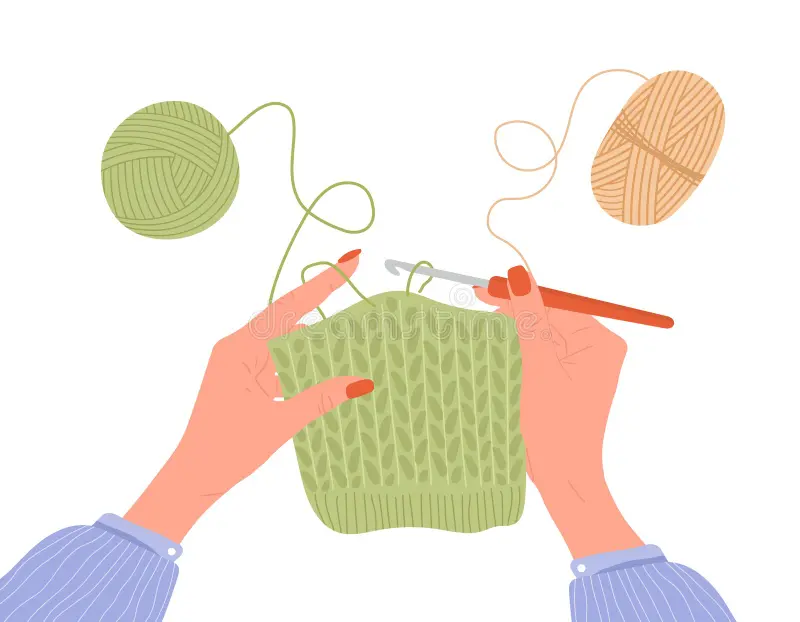
🌈 Your Crochet Journey Starts Now
Learning crochet is an adventure that combines practical skills with artistic expression. The steps outlined in this guide provide a solid foundation, but your unique crochet journey will unfold through practice, experimentation, and personal creativity.
Don’t be discouraged by initial challenges or imperfect projects. Every crocheter has a box of “learning experience” items that didn’t turn out quite as planned. These pieces represent growth, and looking back at them later shows how far you’ve come.
The crochet community is welcoming, supportive, and eager to see new crafters join. Whether you crochet for relaxation, creativity, practicality, or all three, you’re embarking on a rewarding hobby that can last a lifetime. Pick up your hook, choose your yarn, and create something beautiful today! 🧶✨
