
Anúncios
Imagine tiny creatures coming to life through your fingertips, each stitch weaving magic into adorable three-dimensional companions that spark joy and wonder.


The world of amigurumi is a realm where yarn transforms into personality, where simple loops and knots create characters that seem ready to tell their own stories.
Anúncios
This enchanting Japanese art form has captured hearts worldwide, turning crafters into storytellers and transforming quiet evenings into adventures in creativity. Whether you’ve never held a crochet hook or you’re looking to expand your fiber arts repertoire, the journey into amigurumi offers endless possibilities for expression and delight.
What makes this craft so irresistibly captivating is its accessibility paired with infinite creative potential. Unlike many artistic pursuits that demand expensive equipment or years of training, amigurumi welcomes beginners with open arms while still challenging experienced artists to push boundaries.
Anúncios
Each completed piece carries a whisper of your imagination, a tangible manifestation of patience and care that becomes more than just a stuffed creation—it becomes a companion, a gift, a memory.
🧶 The Magical Origins: Understanding Amigurumi’s Enchanting History
The word “amigurumi” itself holds poetry within its syllables—a blend of “ami” (crocheted or knitted) and “nuigurumi” (stuffed doll). Born in Japan during the kawaii culture explosion, this craft evolved from traditional doll-making into something uniquely contemporary. The aesthetic celebrates cuteness through exaggerated proportions: oversized heads, tiny bodies, and expressive features that communicate emotion through minimal detail.
Unlike Western stuffed animals, traditional amigurumi pieces often feature whimsical interpretations of everyday objects. A smiling avocado, a blushing mushroom, or a determined little cactus—these charming characters transform the ordinary into extraordinary. This playful approach to subject matter liberates creators from realistic constraints, inviting them to reimagine the world through a lens of gentle humor and affection.
The global amigurumi community has expanded this art form beyond its Japanese roots, incorporating diverse cultural influences and personal styles. Social media platforms overflow with creators sharing their unique interpretations, from fantasy creatures plucked from storybooks to miniature replicas of beloved pets. This vibrant exchange of ideas and techniques has transformed amigurumi into a living, evolving art form that respects tradition while embracing innovation.
✨ Essential Tools and Materials: Building Your Creative Arsenal
Before embarking on your amigurumi adventure, gathering the right supplies ensures a smooth and enjoyable crafting experience. The beauty of this craft lies in its simplicity—you don’t need an overwhelming collection of materials to create stunning pieces.
The Foundation: Yarn Selection
Cotton yarn reigns supreme in the amigurumi world, offering the perfect combination of stitch definition, structure, and washability. Its tight twist creates clean, visible stitches that showcase your work beautifully. Acrylic yarn provides an affordable alternative with excellent color variety, though it may pill over time. For luxury pieces, consider mercerized cotton that adds a subtle sheen and enhanced durability.
Weight matters significantly in amigurumi construction. Most patterns call for DK or worsted weight yarn, which creates pieces of comfortable, huggable size. Experimenting with different weights allows you to scale your creations—thinner yarn produces delicate miniatures perfect for keychains, while bulky yarn crafts cuddly companions in record time.
Hooks and Hardware
Selecting the appropriate crochet hook transforms your crafting experience from frustrating to flowing. The golden rule: choose a hook smaller than the yarn label recommends. This creates the tight, dense fabric essential for amigurumi, preventing stuffing from peeking through stitches. Most creators find comfort in hooks ranging from 2.5mm to 4mm, depending on yarn weight and personal tension.
Ergonomic hooks with cushioned grips become invaluable during extended crafting sessions, protecting your hands from strain while maintaining precise control. Investing in quality tools pays dividends in comfort and finished piece quality.
Finishing Touches
Safety eyes bring amigurumi characters to life with glossy, professional-looking expressions. Available in countless sizes and colors, these plastic eyes attach securely with washers, making them safe for most recipients. Alternatively, embroidered eyes offer complete customization and eliminate choking hazards for very young children.
Polyester fiberfill provides the perfect stuffing material—lightweight, washable, and allergen-free. Specialty weighted pellets add satisfying heft to bases, helping larger pieces sit upright with dignified stability. A yarn needle, stitch markers, and sharp scissors round out your essential toolkit.
🎨 Mastering the Fundamental Techniques: Your Foundation for Success
Amigurumi construction relies on surprisingly few basic stitches, making it accessible even to absolute beginners. Mastering these fundamentals unlocks the ability to create virtually any pattern you encounter.
The Magic Ring: Where Every Journey Begins
This adjustable starting technique creates a tight, gap-free center for your work—essential for preventing stuffing from escaping through the bottom of your pieces. Though it may feel awkward initially, the magic ring becomes second nature with practice. The satisfaction of cinching that first round into a perfect, secure circle marks your official entry into amigurumi craftsmanship.
Single Crochet: The Workhorse Stitch
Nearly every amigurumi piece consists primarily of single crochet stitches worked in continuous spirals. This creates the dense, stretchy fabric that shapes beautifully around stuffing while maintaining structural integrity. Working in spirals eliminates visible seams, producing smooth, professional-looking surfaces. Using a stitch marker to track round beginnings prevents confusion and ensures accurate stitch counts.
Increases and Decreases: Sculpting with String
Strategic increases (working two stitches into one) and decreases (combining two stitches into one) allow you to shape three-dimensional forms. Understanding these shaping techniques transforms flat circles into spheres, cylinders, and every imaginable curve. Patterns express these through abbreviations—”inc” for increase, “dec” or “sc2tog” for decrease—creating a shorthand language of construction.
Invisible Decreases: The Professional Polish
This refined technique creates decreases that blend seamlessly into surrounding fabric, eliminating the slight dimples that standard decreases produce. By inserting your hook through the front loops only before completing the decrease, you achieve results that elevate your work from homemade to handcrafted artistry.
🌟 Your First Creation: Step-by-Step Simple Sphere
Beginning with a basic sphere teaches fundamental techniques while producing a satisfying finished object—the building block for countless amigurumi characters. This simple ball can become a planet, fruit, or the head for your first creature.
Round 1: Create a magic ring, chain 1, work 6 single crochet into the ring. Pull tight and place marker. (6 stitches)
Round 2: Work 2 single crochet in each stitch around. (12 stitches)
Round 3: *Single crochet 1, increase*, repeat around. (18 stitches)
Round 4: *Single crochet 2, increase*, repeat around. (24 stitches)
Rounds 5-8: Single crochet in each stitch around. (24 stitches)
Round 9: *Single crochet 2, invisible decrease*, repeat around. (18 stitches)
Round 10: *Single crochet 1, invisible decrease*, repeat around. (12 stitches)
Stuff firmly with fiberfill, shaping as you work. Continue decreasing until opening closes, then fasten off and weave in ends. Congratulations—you’ve completed your first three-dimensional crocheted form!
💡 Pattern Reading: Decoding the Creative Blueprint
Amigurumi patterns initially appear as mysterious combinations of letters and numbers, but they follow logical, consistent conventions. Understanding this language empowers you to bring any design to life.
Patterns typically begin with materials lists specifying yarn type, hook size, and additional supplies needed. The abbreviations section defines each term used—familiarize yourself with common ones like sc (single crochet), ch (chain), inc (increase), and dec (decrease). Numbers in parentheses at round ends indicate total stitch counts, providing checkpoints to ensure accuracy.
Asterisks mark repeating sequences. When you see “*sc 3, inc*, repeat around,” you’ll work that pattern continuously until reaching the round’s end. Brackets sometimes group multiple rounds sharing identical instructions. Reading through patterns completely before beginning helps you anticipate shaping and plan color changes or eye placement.
🎭 Bringing Characters to Life: Assembly and Expression
Individual components transform into cohesive characters through thoughtful assembly and finishing details. This stage allows your artistic vision to truly shine.
Strategic Attachment
Pin pieces in position before sewing, stepping back to evaluate proportions and placement from multiple angles. Small adjustments in limb positioning dramatically affect personality—arms held wide suggest enthusiasm, while downward placement creates shyness. Whipstitch or ladder stitch attachment creates nearly invisible seams when worked with matching yarn.
Facial Features: Windows to Character
Eye placement fundamentally determines expression. Positioned close together and low on the head, they create youthful innocence. Wider spacing suggests maturity or alertness. Safety eyes require installation before stuffing completion, so plan ahead. Embroidered details—mouths, blush, eyebrows—add personality without adding bulk. French knots create dimensional noses and freckles.
Color Work and Details
Stripes, color blocking, and surface embroidery personalize generic patterns into unique creations. Changing colors mid-project simply means dropping the old color and picking up the new, carrying unused yarn along inside the work. Surface crochet adds texture and pattern after completion, perfect for creating clothing details or decorative elements.
📱 Digital Resources and Community Connection
The amigurumi community thrives online, offering support, inspiration, and countless free resources. Video tutorials demystify tricky techniques through visual demonstration, while pattern databases provide endless project possibilities. Social media groups connect you with fellow enthusiasts worldwide, creating opportunities for pattern testing, troubleshooting help, and creative collaboration.
Several dedicated apps help track rows, organize pattern libraries, and connect with the global amigurumi community. These digital tools complement your physical crafting, making complex projects more manageable.
🚀 Beyond Basics: Expanding Your Amigurumi Horizons
Once comfortable with fundamentals, endless techniques await exploration. Wire armatures create poseable limbs that hold their positions. Embellishments like felt details, fabric clothing, and miniature accessories add dimension and realism. Experimenting with unusual materials—fabric yarn, metallic threads, or even wire—produces unexpected, striking results.
Advanced shaping techniques allow you to create increasingly complex forms. Learning to work in different directions—back-and-forth rows instead of rounds, or combining flat and dimensional elements—expands creative possibilities exponentially. Surface treatments like brushing, felting, or aging techniques add professional polish and character depth.
🎁 Sharing Your Creations: The Joy of Giving
Handmade amigurumi pieces carry emotional weight that store-bought items cannot match. Each stitch represents time, thought, and care invested specifically for the recipient. These personal treasures become cherished keepsakes, comfort objects during difficult times, and tangible reminders of affection.
Customization makes gifts especially meaningful. Craft a miniature version of someone’s pet, recreate their favorite fictional character, or design an original creature embodying shared memories or inside jokes. The thoughtfulness inherent in customization elevates your gift beyond material value into something truly irreplaceable.
Many amigurumi artists discover their hobby evolving into small businesses. Online marketplaces provide platforms for selling finished pieces and original patterns. Building a brand around your unique style and quality craftsmanship can transform creative passion into supplemental or even primary income, though this path requires dedication to consistent production and customer service excellence.
🌈 Troubleshooting Common Challenges: Solutions for Smoother Crafting
Every crafter encounters obstacles, but most have straightforward solutions. Pieces growing larger than intended typically indicate loose tension—practice working tighter stitches or size down your hook. Conversely, fabric too stiff to shape comfortably means tension runs too tight; consciously relax your grip or increase hook size slightly.
Lumpy stuffing ruins otherwise beautiful work. Fill gradually in small amounts, distributing fiberfill evenly while shaping with your fingers. For heads and bodies, stuff very firmly to prevent eventual sagging. Limbs and appendages require lighter filling to maintain flexibility and prevent stiffness.
When pieces lean or won’t stand independently, add weighted pellets to the base before completing stuffing. Alternatively, create a flat bottom by working the final decrease round in back loops only, then sewing a felt circle over the opening for stability and a finished appearance.
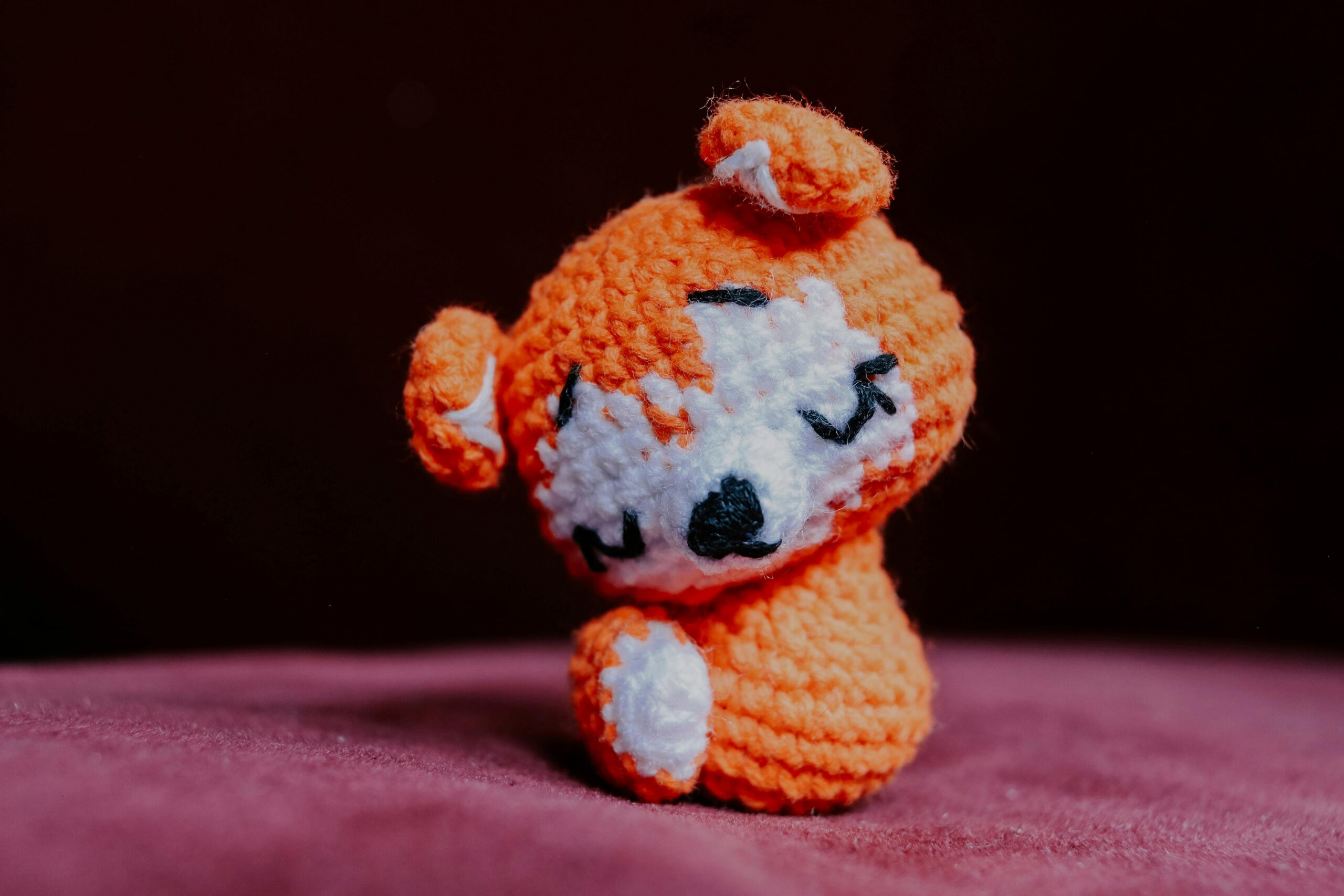
🔮 The Mindful Magic of Amigurumi
Beyond creating adorable objects, amigurumi offers profound personal benefits. The rhythmic, repetitive motions induce meditative states that quiet racing thoughts and reduce stress. Many crafters describe entering “flow states” during sessions, where time dissolves and worries fade into the background. This moving meditation produces both tangible results and intangible peace.
The learning process itself exercises cognitive functions, strengthening pattern recognition, spatial reasoning, and fine motor skills. Following complex instructions builds problem-solving abilities and patience. Completing projects boosts confidence and provides concrete evidence of capability—powerful antidotes to feelings of helplessness or inadequacy.
Crafting communities provide social connection and belonging, particularly valuable in increasingly isolated modern life. Sharing progress photos, celebrating others’ achievements, and offering encouragement creates supportive relationships based on mutual interest and respect. These connections often extend beyond crafting into genuine friendships enriching multiple life aspects.
As your skills develop and your collection of handmade companions grows, you’ll discover amigurumi is more than a hobby—it’s a portal to imagination, a source of joy, and a gentle rebellion against mass production’s uniformity. Each piece carries your unique creative fingerprint, a small declaration that handmade beauty still matters in our fast-paced world. Your journey has only just begun, and countless adventures in yarn await your exploring fingers and dreaming heart.
