
Anúncios
Step into a world where yarn transforms into magic, where simple loops become creatures of wonder and charm. ✨


There’s something profoundly enchanting about amigurumi—the Japanese art of crocheting small, stuffed yarn creatures that seem to pulse with their own tiny heartbeats. These miniature companions, with their button eyes and stitched smiles, have captured the imagination of crafters worldwide, weaving themselves into the tapestry of contemporary handcraft culture.
Anúncios
Whether you’re drawn to tiny octopi with trailing tentacles, plump little bees, or whimsical characters from your favorite stories, amigurumi offers a gateway into a universe limited only by your creativity and the colors of yarn at your fingertips.
The journey from complete beginner to confident amigurumi artist might seem daunting at first glance, but like all worthwhile creative pursuits, it begins with a single stitch.
Anúncios
This comprehensive guide will walk you through every essential element of this captivating craft, transforming what might seem like an intricate puzzle into an accessible, joyful practice that yields tangible, huggable results.
🧶 The Poetry of Origins: Understanding Amigurumi’s Soul
Before your hook dances through its first loop, understanding the essence of amigurumi enriches your creative practice. The word itself—a portmanteau of the Japanese “ami” (crocheted or knitted) and “nuigurumi” (stuffed doll)—carries within it the cultural reverence for detail and craftsmanship that defines this art form.
Unlike traditional Western crochet projects that often work in rows, amigurumi typically employs continuous rounds worked in a spiral. This technique creates seamless, three-dimensional forms that give these creatures their characteristic smooth appearance. The tight, dense stitches prevent stuffing from peeking through, maintaining the illusion of these yarn beings as solid, living entities.
What truly sets amigurumi apart is its emotional resonance. Each piece becomes an exercise in bringing personality to life through texture, proportion, and those carefully chosen details—a slightly asymmetrical smile, an oversized head that enhances cuteness, or limbs positioned to suggest movement frozen in time.
Gathering Your Creative Arsenal: Essential Materials
Every artistic journey requires the right tools, and amigurumi is no exception. The beauty lies in the simplicity of what you actually need to begin.
Yarn: Your Palette of Possibilities
The yarn you select becomes the skin, fur, or fabric of your creation. For beginners, medium-weight yarn (typically labeled as worsted weight or #4) offers the perfect balance of manageability and definition. Acrylic yarns work wonderfully for amigurumi—they’re affordable, washable, and come in a kaleidoscope of colors that would make a rainbow jealous.
Cotton yarn presents another excellent option, offering superior stitch definition and a slightly more refined appearance. The firmness of cotton helps maintain shape particularly well, though it can be harder on the hands during extended crafting sessions.
Crochet Hooks: Your Wand of Transformation
The crochet hook serves as the extension of your creative will. For amigurumi, you’ll typically use a hook one or two sizes smaller than what the yarn label recommends. This intentional mismatch creates those characteristically tight stitches that keep stuffing hidden and give your pieces structural integrity.
A 3.5mm or 4mm hook pairs beautifully with medium-weight yarn, but experimentation will reveal your personal sweet spot. Ergonomic hooks with cushioned grips can transform lengthy crafting sessions from potentially painful to pleasantly meditative.
Supporting Cast: Additional Essentials
Beyond yarn and hook, several supporting materials complete your toolkit:
- Polyester fiberfill for stuffing—light, washable, and affordable
- Stitch markers to track your rounds and prevent getting lost in the spiral
- Yarn needle for weaving in ends and sewing pieces together
- Safety eyes in various sizes for that spark of life (or embroider eyes for child-safe alternatives)
- Sharp scissors for clean cuts
- Optional: pipe cleaners or wire for poseable limbs
Mastering the Fundamental Stitches: Your Building Blocks
Amigurumi’s architectural beauty rests upon a surprisingly small foundation of basic stitches. Master these, and entire worlds unfold before you.
The Magic Ring: Where Creation Begins
Most amigurumi pieces begin with the magic ring (also called magic circle or adjustable ring). This ingenious starting technique creates a tight, adjustable center with no visible hole—crucial for keeping stuffing contained and maintaining the illusion of seamless construction.
Creating a magic ring feels awkward at first, like learning to write with your non-dominant hand. But muscle memory develops quickly. The satisfaction of pulling that tail to cinch the center closed, watching gaps disappear into nothingness, never quite loses its appeal.
Single Crochet: The Workhorse Stitch
The single crochet stitch comprises approximately ninety percent of most amigurumi patterns. Its compact nature creates the dense fabric that defines this craft. Each stitch becomes a pixel in your three-dimensional creation, building form row by row, round by round.
In amigurumi, you’ll work single crochet in continuous spirals rather than joining rounds. This technique eliminates the visible seam that would otherwise mar the smooth surface of your piece.
Increases and Decreases: Sculpting with Yarn
Shaping amigurumi bodies relies on strategically placed increases (working two stitches into one stitch from the previous round) and decreases (combining two stitches into one). These simple manipulations transform flat circles into spheres, cylinders, and organic forms.
The invisible decrease technique deserves special attention—it creates a neater appearance than standard decreases, minimizing the small gaps that can otherwise appear along decrease rounds.
Your First Creation: A Simple Sphere Pattern 🌟
Theory transforms into understanding through practice. This basic sphere pattern forms the foundation for countless amigurumi designs—balls, heads, simple creatures, and more.
Round 1: Create a magic ring, work 6 single crochet into the ring, pull tight (6 stitches)
Round 2: Work 2 single crochet in each stitch around (12 stitches)
Round 3: *Single crochet in next stitch, 2 single crochet in next stitch*, repeat around (18 stitches)
Round 4: *Single crochet in next 2 stitches, 2 single crochet in next stitch*, repeat around (24 stitches)
Round 5: *Single crochet in next 3 stitches, 2 single crochet in next stitch*, repeat around (30 stitches)
Rounds 6-10: Single crochet in each stitch around (30 stitches)
Round 11: *Single crochet in next 3 stitches, invisible decrease*, repeat around (24 stitches)
Round 12: *Single crochet in next 2 stitches, invisible decrease*, repeat around (18 stitches)
At this point, add your safety eyes (if using) and begin stuffing firmly but not overly tight.
Round 13: *Single crochet in next stitch, invisible decrease*, repeat around (12 stitches)
Round 14: Invisible decrease around (6 stitches)
Fasten off, leaving a long tail. Thread the tail through remaining stitches and pull tight to close. This basic sphere becomes a ball, a head, a body—the possibilities expand from this simple beginning.
Breathing Life Into Yarn: Assembly and Finishing Touches
Individual components crocheted in isolation remain just that—pieces. The transformation into something alive happens during assembly, where careful attention to detail makes all the difference.
Strategic Stuffing: The Hidden Foundation
Stuffing seems straightforward until you discover how dramatically it affects the final appearance. Too little, and your creation looks deflated and sad. Too much creates distorted stitches and awkward bulges.
The goal is firm but yielding—your piece should hold its shape without feeling rock-hard. Stuff gradually as you work the decrease rounds rather than trying to force filling through a tiny opening. Use small bits of fiberfill, distributing evenly and paying special attention to extremities like ears or tentacles.
Joining Pieces: The Art of Invisible Connection
Attaching arms, legs, ears, and other appendages determines whether your creation looks professionally crafted or obviously handmade. The whip stitch and ladder stitch both create nearly invisible seams when executed carefully with matching yarn.
Position matters enormously. Before committing to stitching, pin pieces in place and view your creation from multiple angles. Sometimes moving an arm attachment point just two stitches changes the entire character from cheerful to contemplative.
Facial Features: Windows to the Soul
Eyes positioned slightly closer together enhance cuteness. A tiny embroidered nose placed just below eye level suggests youth and innocence. These minute decisions transform yarn from craft material into character.
Safety eyes provide a professional polish and come in sizes from tiny 6mm to dramatic 18mm+ options. Insert them before fully stuffing and closing your piece—they lock in place with washers and cannot be removed without damaging the work.
Alternatively, embroidered features offer endless customization and create child-safe toys without choking hazards. French knots make perfect eyes, while satin stitch creates expressive mouths.
Reading Patterns: Decoding the Creative Blueprint 📖
Amigurumi patterns employ a specialized shorthand that seems cryptic initially but becomes second nature with practice. Understanding this language unlocks thousands of free and paid patterns available across the crafting community.
Common abbreviations include:
- sc = single crochet
- inc = increase (2 sc in one stitch)
- dec = decrease
- st(s) = stitch(es)
- rnd = round
- ch = chain
- sl st = slip stitch
Instructions within asterisks or brackets indicate repetitions. For example: “*sc 2, inc* repeat 6 times” means you’ll work that sequence six times around the round.
Stitch counts in parentheses at line endings tell you how many total stitches should appear in that round—invaluable checkpoints ensuring you’re on track.
Troubleshooting Common Challenges: Creative Problem-Solving
Every amigurumi artist encounters obstacles. These aren’t failures but opportunities to develop problem-solving skills and deepen understanding.
The Wobbling Stitch Count Mystery
You’re following the pattern exactly, yet your stitch count keeps drifting off target. This common frustration usually stems from accidentally working into the same stitch twice or skipping stitches entirely. Stitch markers placed at round beginnings help track progress and quickly identify where counts veer off course.
Stuffing Showing Through Stitches
Visible stuffing typically indicates stitches that are too loose. Try dropping down a hook size or consciously tightening your tension. If the piece is already complete, a fabric backing can be sewn inside to contain rebellious filling.
Wonky Shapes and Unexpected Curves
Sometimes your sphere resembles a lumpy potato or your cylinder develops an unexpected taper. This usually results from inconsistent tension or incorrectly placed increases/decreases. Amigurumi rewards consistent tension—each stitch ideally maintains the same tightness as its neighbors.
Beyond Basics: Expanding Your Amigurumi Universe 🚀
Once fundamental techniques feel comfortable, entire galaxies of creative possibility open before you.
Color Changes: Painting with Yarn
Introducing color changes mid-project adds dramatic visual interest. Stripes, color blocking, and even pictorial designs become achievable. The key lies in changing colors at strategic points and carrying unused colors inside the work to minimize ends for weaving.
Texture Exploration: Beyond Single Crochet
While single crochet dominates amigurumi, incorporating other stitches creates textural variety. Bobbles suggest fluffy sheep’s wool, popcorn stitches add dimensional detail, and surface crochet can add features without embroidery.
Wire Armatures: Poseable Possibilities
Inserting pipe cleaners or floral wire into limbs before stuffing creates poseable pieces that can wave, dance, or hold tiny props. This technique elevates static sculptures into interactive art.
Joining the Amigurumi Community: Shared Creative Journey
One of amigurumi’s greatest gifts extends beyond the craft itself—the vibrant, supportive community of makers worldwide. Online platforms overflow with free patterns, video tutorials, troubleshooting advice, and the kind of genuine encouragement that fuels creative persistence.
Instagram, Pinterest, and dedicated crafting forums showcase breathtaking work that inspires while demonstrating what’s possible with hooks and yarn. Don’t hesitate to share your own creations, even early attempts. The community celebrates progress at every level, understanding that every expert began exactly where you are now.
Transforming Practice into Personal Expression 🎨
Following patterns builds skills and confidence, but the true magic emerges when you begin designing original pieces or modifying existing patterns to reflect your unique vision.
Start small—change colors on an existing pattern, adjust proportions for different effects, or combine elements from multiple patterns into something entirely new. That bunny pattern could become a cat with different ears and an embroidered nose. A simple sphere transforms into a planet, an orange, or a cheerful sun with added rays.
Sketch ideas before beginning. Rough drawings help visualize proportions and plan construction sequence. Amigurumi follows logical construction principles—you’re essentially creating soft sculpture, and understanding basic form helps troubleshoot design challenges.
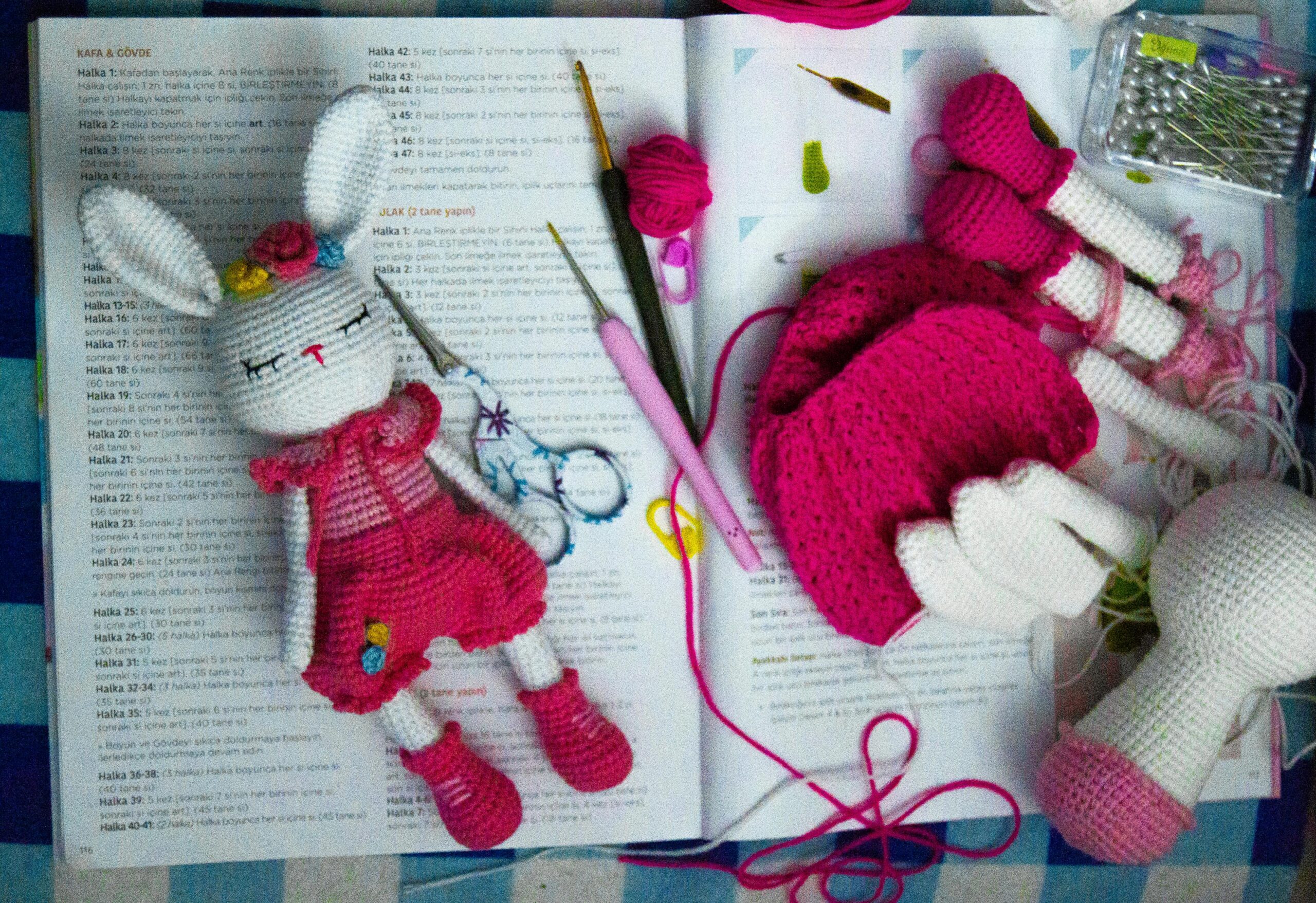
The Meditative Magic of Repetitive Creation ✨
Beyond creating adorable objects, amigurumi offers profound meditative benefits. The repetitive nature of stitching creates a rhythmic flow state where anxious thoughts settle and presence blooms. Your hands remember the movements, freeing your mind to rest or wander creatively.
Many crafters describe the therapeutic quality of watching something grow from nothing, stitch by patient stitch. In our fast-paced digital world, this tangible slow creation provides grounding and satisfaction that screens cannot replicate.
Each finished piece represents invested time, learned skills, and creative problem-solving. Whether keeping your creations, gifting them to delighted recipients, or even selling your work, every amigurumi carries a piece of your attention and care woven into its very structure.
The pathway from curious beginner to confident amigurumi artist winds through practice, patience, and play. Your first attempts might not match the perfection of patterns you admire online—and that’s not just acceptable, it’s beautiful. Those slightly wonky early pieces document your learning journey, and you’ll treasure them in ways perfectly executed later works might not inspire.
So gather your yarn, find your hook, and let that first stitch begin your adventure. The amigurumi universe awaits, populated by creatures only you can bring into existence, each one unique, each one imbued with the particular magic that flows from your hands into yarn. Welcome to a world where imagination becomes tangible, where loops and stitches transform into companions, and where the simple act of creating brings joy that resonates far beyond the finished piece. Your creative journey begins now—one stitch, one round, one magical creature at a time. 🌈
