
Anúncios
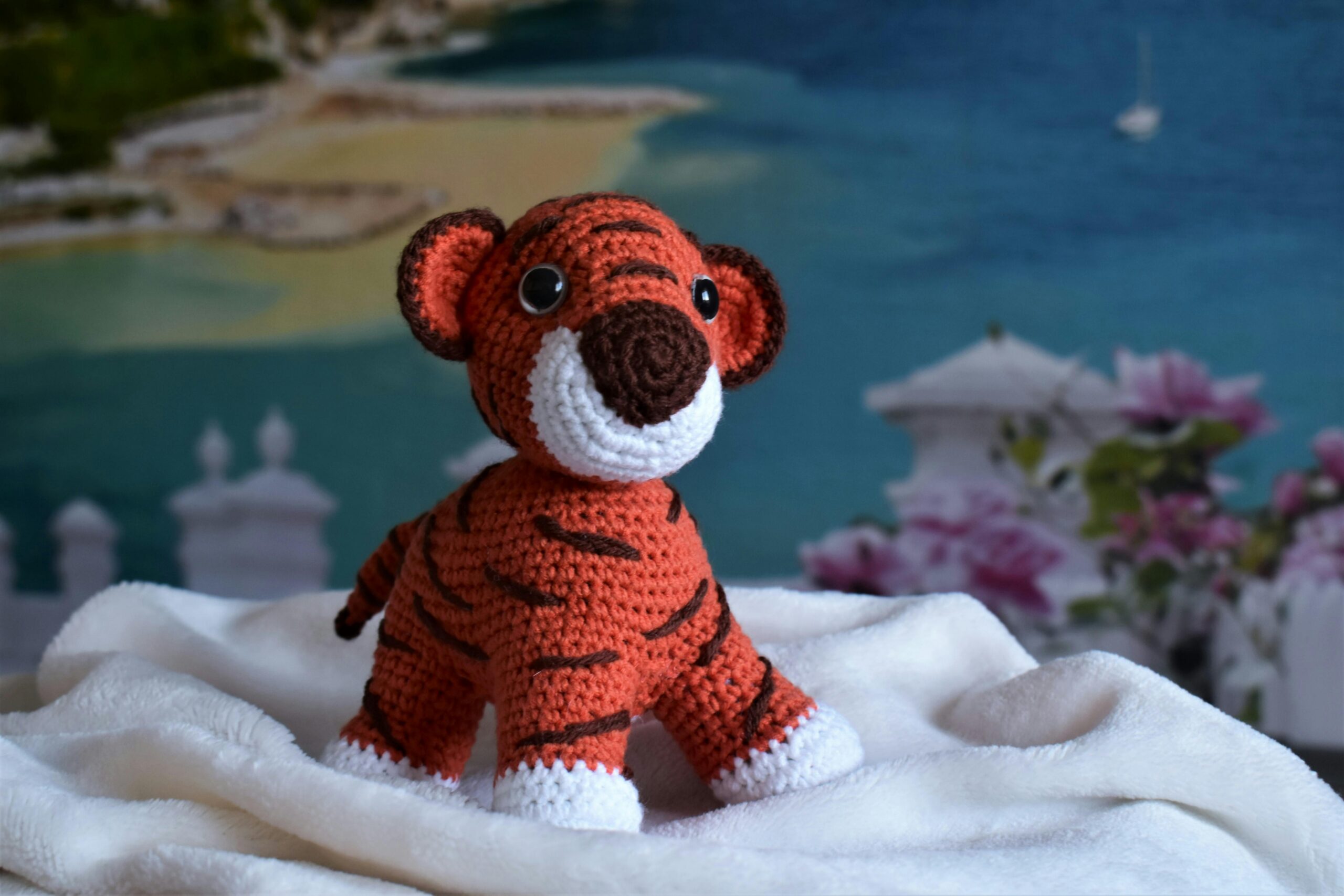
Amigurumi transforms simple yarn into enchanting creatures and characters, breathing life into colorful threads through the ancient Japanese art of crochet storytelling.


The Magical Origins: Where Tiny Creatures Come to Life ✨
The word “amigurumi” derives from the Japanese words “ami” (crocheted or knitted) and “nuigurumi” (stuffed doll). This delightful craft emerged in Japan during the 1970s, capturing hearts with its irresistibly cute aesthetic known as “kawaii.” What began as a cultural phenomenon has since swept across continents, transforming living rooms into creative workshops where imagination takes tangible form.
Anúncios
Unlike traditional Western crochet, amigurumi employs unique techniques that create three-dimensional sculptures rather than flat textiles. The distinctive tight stitching prevents stuffing from showing through, while the spiral construction method eliminates visible seams.
These elements combine to produce seamlessly adorable creations that range from miniature animals to fantastical beings limited only by the crafter’s imagination.
Anúncios
The beauty of this art form lies in its accessibility. Whether you’re a complete beginner or an experienced fiber artist, amigurumi welcomes all skill levels.
The repetitive nature of basic stitches creates a meditative rhythm, while the gradual emergence of personality in each piece delivers profound satisfaction that keeps crafters returning to their hooks again and again.
Essential Materials: Building Your Creative Toolkit 🧶
Before embarking on your amigurumi journey, assembling the right materials ensures a smoother creative process. The foundation of any project begins with selecting appropriate yarn. While traditional amigurumi uses fine cotton yarn for detailed work, acrylic yarn offers durability and affordability, making it perfect for beginners exploring this craft.
Crochet hooks sized between 2.5mm and 4mm typically work best for amigurumi, though the ideal size depends on your yarn weight and desired fabric tension. The goal is creating a tight fabric that holds stuffing securely inside. Many crafters prefer ergonomic hooks with comfortable grips for extended creating sessions that can stretch across hours.
Additional essential supplies include polyester fiberfill for stuffing, safety eyes in various sizes, stitch markers to track rounds, yarn needles for sewing pieces together, and sharp scissors. A small collection of felt sheets expands possibilities for facial features and decorative details, while quality fabric glue helps secure embellishments.
Color Palette Considerations
Building a versatile yarn collection accelerates your creative possibilities. Start with neutral colors like white, black, beige, and brown for creating animals and basic features. Add vibrant primary colors for cheerful characters, then expand into pastels for softer aesthetics. Variegated yarns create interesting texture effects, though solid colors generally provide cleaner results for beginners.
Fundamental Techniques: Mastering the Building Blocks 🎨
Every amigurumi creation relies on a handful of essential stitches that form the vocabulary of this three-dimensional language. The magic ring (also called adjustable ring) serves as the foundation for most pieces, creating a tight center without visible holes. This technique initially challenges many beginners, but mastering it proves invaluable for professional-looking results.
The single crochet stitch forms the backbone of amigurumi construction. Unlike looser decorative crochet, amigurumi requires tight, consistent stitches that create dense fabric. Working continuously in spiral rounds rather than joining each round eliminates the staircase effect common in joined work, producing smoother surfaces ideal for small creatures.
Increases and decreases shape your creation from simple spheres into complex forms. Invisible decreases minimize bumps in the fabric, while strategic increase placement determines whether you’re crafting a bulbous body or slender limb. Understanding how these shaping techniques affect three-dimensional form transforms you from pattern-follower to designer.
Reading and Understanding Patterns
Amigurumi patterns use abbreviations that condense instructions into readable format. Common terms include sc (single crochet), inc (increase), dec (decrease), and numbers in brackets indicating stitch counts. A typical round might read: “Rnd 3: [sc 2, inc] x 6 (24)” meaning work two single crochets followed by one increase, repeat six times total for twenty-four stitches.
Many patterns include stitch count verification at round endings. This practice helps catch errors before they compound into visible distortions. Stitch markers become invaluable tools for tracking round beginnings in spiral construction, preventing the frustration of miscounted rounds discovered too late.
Your First Project: Creating an Adorable Sphere Character 🌟
Beginning with a simple sphere-based character builds confidence while teaching fundamental skills. A basic ball shape serves as the body for countless creatures—from chubby bunnies to round monsters. This straightforward project demonstrates how increases and decreases create three-dimensional forms from linear yarn.
Start with your magic ring, creating six single crochets into the center. Each subsequent round increases by six stitches until reaching desired diameter—typically between rounds six and eight for small creatures. The body then continues with several rounds of equal stitches, creating cylindrical sides before beginning decreases that mirror the initial expansion.
Stuffing requires strategic timing. Begin adding fiberfill when the opening becomes small enough to contain it, but large enough for comfortable manipulation. Firm stuffing creates satisfying squishiness, though overstuffing can distort stitches and create lumpy surfaces. The final rounds gradually close the opening until you can cinch it completely shut.
Adding Personality Through Features
Features transform generic spheres into distinctive characters. Safety eyes positioned between specific rounds create expression—closer spacing suggests innocence, while wider placement conveys alertness. Insert safety eyes before stuffing completely, as the backing washers require interior access. Alternatively, embroidered eyes using black yarn offer safer options for young children.
Embroidered details like noses, mouths, and whiskers add finishing touches that breathe personality into creations. Simple straight stitches form smiles, while satin-stitched triangles create adorable noses. Experiment with different expressions to discover how minor adjustments dramatically alter character mood and appeal.
Advanced Shaping: Sculpting Complex Forms 🎭
Once comfortable with basic spheres, advancing to complex shapes unlocks unlimited creative potential. Elongated bodies, tapering limbs, and distinctive heads each require understanding how stitch manipulation affects three-dimensional form. Patience and practice transform theoretical knowledge into intuitive understanding.
Creating limbs introduces working in tubular rounds with smaller circumferences. Arms and legs typically begin with magic rings of five or six stitches, gradually increasing to desired thickness before continuing straight. For articulated limbs, wire armatures inserted before final stuffing allow poseable creations that can wave, dance, or hold tiny props.
Heads often incorporate more complex shaping than bodies. A pronounced muzzle requires strategic increases on one side while maintaining decreases on the opposite side. Ears might work in rows rather than rounds, creating flat pieces sewn onto the head at specific angles. These dimensional considerations separate amateur attempts from polished creations.
Assembly Techniques for Professional Results
Joining pieces invisibly elevates finished quality significantly. Ladder stitch creates seamless connections between body parts, while whip stitch offers quicker attachment for less visible areas. Pinning pieces in position before permanent sewing allows experimentation with proportions and angles until achieving perfect composition.
The order of assembly affects ease and appearance. Generally, attach the head to body first, establishing the primary structure. Add arms and legs next, checking balance and symmetry. Smaller details like tails, wings, or accessories complete the piece. This progression prevents earlier attachments from interfering with later connections.
Color Work and Pattern Integration 🌈
Introducing multiple colors transforms simple creatures into vibrant characters. Color changes occur within rounds by completing the final yarn-over of the last stitch with the new color. This technique creates clean transitions, though carrying unused colors inside the work requires planning to avoid bulky areas or visible yarn showing through stitches.
Stripes offer the simplest color introduction, alternating hues every few rounds. More complex patterns like spots, hearts, or geometric designs require charted patterns similar to cross-stitch graphs. Each square represents one stitch, with colors indicated by symbols or shading. Following charts develops spatial awareness and pattern-reading skills.
Surface embroidery adds details impossible through crochet alone. Chain stitch creates delicate lines for whiskers or decorative swirls. French knots become dimensional freckles or flower centers. Combining structural crochet with surface decoration produces richly detailed pieces that showcase technical versatility.
Designing Your Own Creations: From Imagination to Reality 💭
Transitioning from pattern-follower to designer represents a thrilling evolution in your amigurumi journey. Start by modifying existing patterns—changing colors, adjusting proportions, or combining elements from multiple sources. These experiments build intuition about how construction choices affect final appearance.
Original designs often begin with sketches establishing proportions and features. Breaking the envisioned creature into component shapes—spheres, cylinders, cones—reveals the construction approach. A bunny becomes one large sphere body, one medium sphere head, two small cylinders for legs, two elongated ovals for ears, and a tiny pompom tail.
Creating test swatches helps determine appropriate increases and decreases for achieving desired shapes. Keep notes documenting successful approaches, building your personal reference library. This process initially seems tedious, but establishes foundations for consistently recreating specific forms and sizes.
Mathematical Principles Behind the Magic
Understanding the mathematics governing increases creates design freedom. For flat circles, each round increases by the initial stitch count—six-stitch starts increase by six each round. For spheres, increases space progressively farther apart, creating curvature. Recognizing these patterns allows calculating custom shapes without relying entirely on existing patterns.
Troubleshooting Common Challenges 🔧
Even experienced crafters encounter obstacles. Visible stuffing through stitches indicates loose tension—try smaller hooks or tighter stitching. Wobbly, unstable pieces often lack sufficient stuffing, while lumpy surfaces suggest overstuffing or inconsistent stitch tension. Adjusting these variables requires experimentation to find personal sweet spots.
Lopsided creations typically result from inconsistent increases or decreases distribution. Ensure shaping stitches spread evenly around circumferences rather than stacking vertically. Stitch markers help track placement, preventing accidental clustering that creates bulges or flat spots.
Gaps between color changes or joined pieces detract from polished appearances. For color work, ensure completing stitches fully with new colors rather than switching mid-stitch. When joining pieces, use matching yarn colors and small, tight stitches that disappear into the fabric texture.
The Therapeutic Benefits: Crafting for Wellness 🧘
Beyond creating adorable objects, amigurumi offers significant mental health benefits. The repetitive motions induce meditative states, reducing stress and anxiety. Focusing attention on counting stitches quiets mental chatter, providing respite from daily concerns. Many crafters describe entering “flow states” where hours pass unnoticed during particularly engaging projects.
Completing projects delivers tangible accomplishment often missing in digital-age work. Holding a finished creature created from formless yarn provides profound satisfaction that boosts self-esteem and creative confidence. This psychological reward motivates continued learning and skill development.
Sharing creations builds community connections. Online amigurumi groups showcase projects, offer troubleshooting advice, and celebrate achievements. Local crafting circles provide social interaction around shared interests. These connections combat isolation while fostering supportive relationships centered on creativity rather than competition.
Exploring Creative Possibilities: Beyond Basic Animals 🚀
While cute creatures dominate amigurumi, the techniques apply to countless subjects. Food items like donuts, cupcakes, and fruits make delightful decorations or children’s toys. Fantasy elements including dragons, unicorns, and mermaids allow imaginative expression. Pop culture characters enable crafters to celebrate favorite fandoms through handmade tributes.
Functional amigurumi combines aesthetics with utility. Keychains, bag charms, and phone accessories incorporate practical applications. Baby rattles, teething toys, and mobile decorations serve nursery purposes. Holiday ornaments, garlands, and seasonal decorations showcase amigurumi’s versatility across celebrations.
Large-scale projects challenge skills while creating statement pieces. Oversized floor cushions, decorative wall hangings, and elaborate dioramas push technical boundaries. These ambitious undertakings require significant time investment but yield impressive results that demonstrate advanced mastery.
Continuing Your Journey: Resources and Community 📚
Expanding skills requires accessing quality learning resources. Video tutorials demonstrate techniques more clearly than written descriptions, especially for visual learners. Platforms hosting amigurumi content offer libraries ranging from beginner basics to expert masterclasses. Books dedicated to amigurumi provide curated pattern collections and technique deep-dives.
Social media communities share inspiration and support. Following talented creators exposes you to diverse styles and innovative techniques. Participating in challenges or craft-alongs maintains motivation while connecting with fellow enthusiasts. These interactions transform solitary crafting into collaborative creativity.
Local yarn stores often host crochet groups welcoming amigurumi crafters. In-person gatherings provide hands-on assistance for troubleshooting challenges and immediate feedback on works-in-progress. Building local creative networks enriches your practice through shared knowledge and encouragement.
Transforming Passion Into Purpose: Sharing Your Art 🎁
As skills develop, many crafters consider sharing creations beyond personal circles. Gifting handmade amigurumi demonstrates thoughtfulness that purchased items cannot match. Custom pieces celebrating recipients’ interests or inside jokes create meaningful, treasured keepsakes that strengthen relationships through creative expression.
Selling amigurumi online or at craft markets transforms hobbies into income streams. Platforms connecting makers with buyers provide access to global audiences appreciating handmade goods. Pricing handwork appropriately values your time and skill while remaining accessible to customers. Building small creative businesses allows passionate crafters to sustain their artistic pursuits.
Teaching others extends your impact beyond individual creations. Hosting workshops, creating tutorial content, or offering pattern designs shares knowledge while building reputation within crafting communities. These educational endeavors deepen your own understanding while helping others discover amigurumi’s joys.
The journey into amigurumi unfolds as an ongoing adventure rather than a destination. Each completed project builds skills and confidence, preparing you for increasingly ambitious creations. Embrace mistakes as learning opportunities, celebrate small victories, and let curiosity guide your exploration. The magical world of tiny crocheted creatures awaits your unique creative voice, ready to transform colorful yarn into enchanting companions that bring joy to all who encounter them. Pick up your hook, choose your favorite yarn, and begin stitching your own story into three-dimensional reality.
